Rex Begonia Care Guide
Begonia rex
Quick Answer
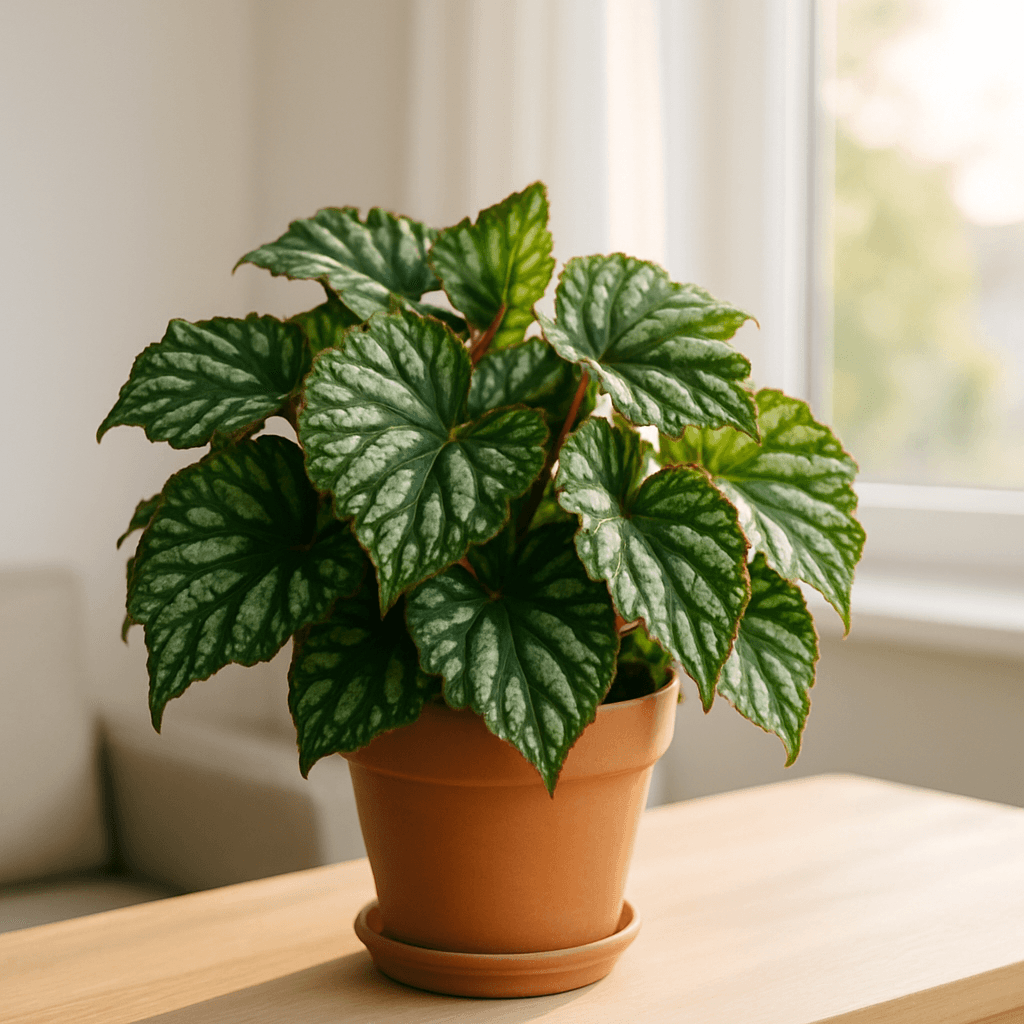
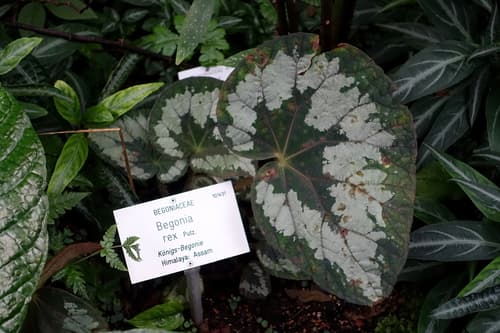
Rex begonia is grown for its extraordinary leaf patterns, and keeping those vivid — silvers, purples, reds, and greens — comes down to two things: enough bright indirect light, and humidity above 50%. Don't mist it directly; misting promotes powdery mildew, which is one of its most common problems. Use a pebble tray or humidifier instead, and water carefully around the base rather than wetting the crown.
⭐Difficulty
Moderate
☀️Light
Bright indirect
💧Watering
Every 1 week
🌫️Humidity
Medium–High (50–60%)
🌡️Temperature
60–80°F
📈Growth Rate
Moderate
Toxicity
Source: ASPCA Animal Poison Control
Watering
Summer
Every 1 week
Winter
Every 1–2 weeks
Method: Allow top inch to dry; avoid waterlogged soil
In summer, water rex begonia approximately every week; in winter every 1–2 weeks. Rather than following a calendar, allow the top inch to dry between waterings — rex begonias rot quickly if kept too wet. Water around the base of the plant rather than wetting the crown or leaves, which promotes rot and fungal disease. Yellow leaves often signal overwatering; drooping with dry soil means it needs water.
Light Requirements
Bright indirect
Rex begonia does best 2–3 feet from a south- or east-facing window, screened from direct midday sun. Bright indirect light is essential for keeping the leaf patterns vivid — in low light, the colours and metallic sheens fade noticeably within weeks. Direct harsh afternoon sun will scorch the large, thin leaves. A grow light works very well for rex begonia year-round.
Soil & Potting
Soil: Rich, well-draining mix (peat or coco coir + perlite)
Pot: Shallow pot with drainage
Temperature & Humidity
Temperature: 60–80°F (16–27°C)
Humidity: Medium–High (50–60%)
Fertilizing
Frequency: Monthly spring/summer
Type: Balanced fertilizer, quarter strength
Common Problems
Powdery white coating
Powdery white coating → Powdery mildew. Improve air circulation; treat with neem. Powdery mildew appears as a white dusty coating on leaf surfaces and is caused by poor air circulation and humidity that condenses on leaf surfaces (from misting or splashing). Improve air movement around the plant, avoid wetting leaves, remove severely affected leaves, and treat with a diluted neem oil solution. Don't confuse this with the natural silvery metallic sheen of the leaves themselves.
Fading leaf patterns
Fading leaf patterns → Insufficient light. Move meaningfully closer to a window rather than just a few inches. Rex begonia's metallic sheens and colour contrast require adequate bright indirect light to maintain. New growth will come in vibrantly once light improves; existing faded leaves won't recover.
Mushy crown
Mushy crown → Overwatering or crown rot. Reduce water immediately and improve drainage. Crown rot is serious and fast-moving. If the base of the plant where stems meet the soil is soft, dark, or smells musty, remove affected tissue, dust with cinnamon, and repot in fresh dry well-draining mix. Water only when the top inch is dry going forward.
Leaf drop
Leaf drop → Low humidity or sudden temperature change. Rex begonias are sensitive to cold drafts and fluctuating temperatures. Keep away from air conditioning vents and cold windowsills. Raise humidity with a pebble tray — misting is not recommended as it promotes mildew.
Propagation
Rex begonia propagates easily by leaf cuttings. Select a large, healthy leaf and either: (a) lay it flat on moist potting mix with small cuts made through the main leaf veins, weigh it down with pebbles, and new plants sprout at each cut; or (b) cut the leaf into 2-inch sections each containing a portion of the main vein and push them partway into moist mix. Keep covered loosely with a plastic bag to maintain humidity. New plantlets appear in 4–8 weeks. Division also works at repotting time. The common mistake: allowing leaf cuttings to dry out before they've established — maintain consistent moisture and humidity throughout.
Seasonal Care Calendar
🌸 Spring
Spring is when rex begonia pushes the most vivid new leaves. Increase watering slightly, begin fertilising every 2 weeks with a balanced or bloom fertiliser (if you want flowers), and this is the ideal time to repot or divide large plants. Leaf cuttings taken in spring root especially well.
☀️ Summer
Peak growing season with the largest, most vivid leaves. Water regularly, fertilise monthly, and maintain humidity. Watch for powdery mildew in humid summer conditions — ensure air circulates around the plant. If you move it outdoors, deep shade is required — any direct sun will scorch the leaves.
🍂 Fall
Growth slows as light decreases. Reduce watering slightly, stop fertilising by late October, and move it closer to a window. Rex begonias may go partially dormant in winter, reducing leaf production — this is normal.
❄️ Winter
Rex begonia slows significantly in winter. Reduce watering and allow slightly more drying between waterings than in summer. Maintain humidity as heated indoor air is very dry. A grow light helps maintain vitality through the darkest months. Some leaf loss in winter is normal.