Peperomia Care Guide
Peperomia obtusifolia
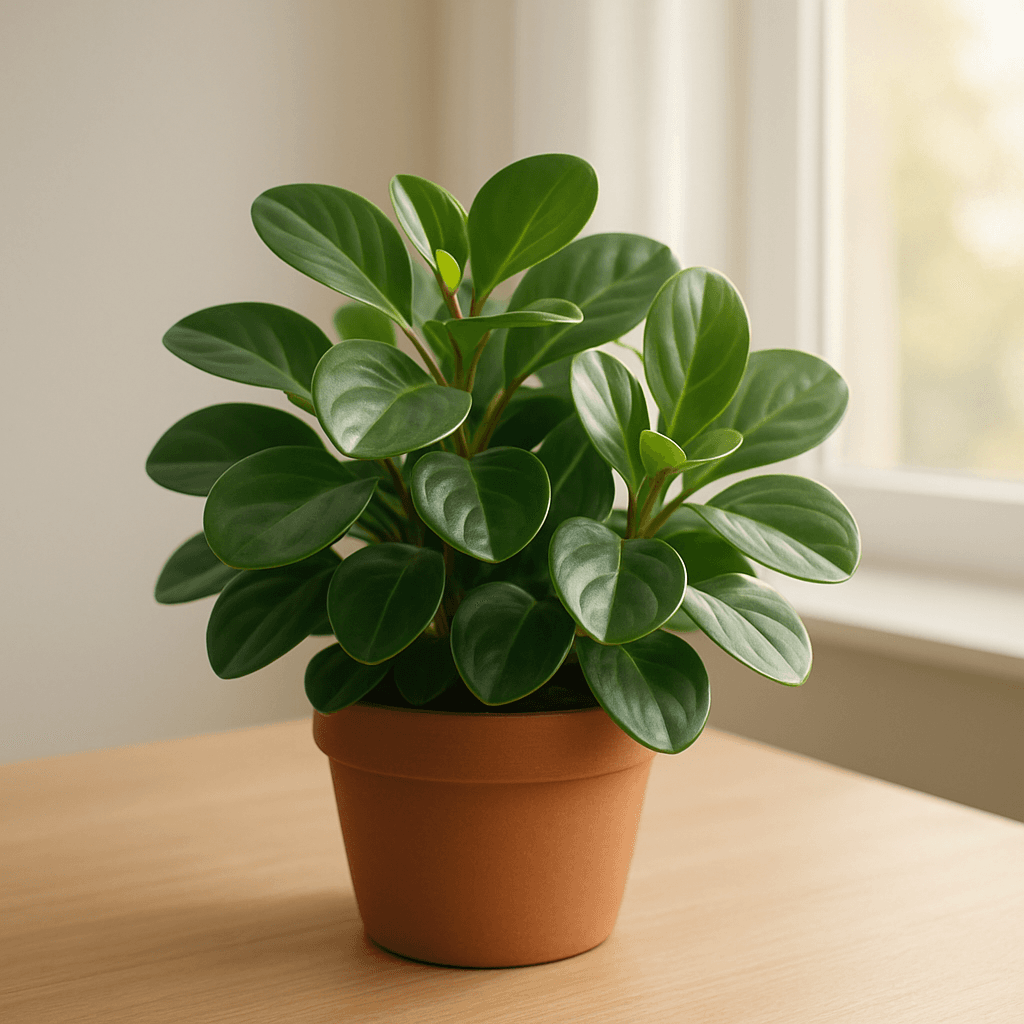
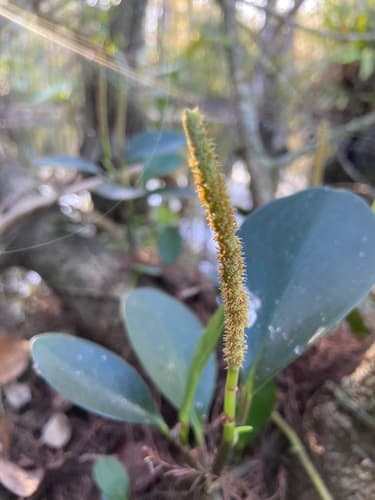
Quick Answer
Peperomia stores water in its thick, fleshy leaves and prefers to dry out a bit between waterings — every 10–14 days in summer is plenty for most varieties. Overwatering is the main killer, leading to mushy stems and root rot that progresses fast. The flip side: if leaves start wrinkling, it's genuinely thirsty. Give it bright indirect light and it'll grow steadily with very little fuss.
⭐Difficulty
Easy
☀️Light
Low to bright indirect
💧Watering
Every 1–2 weeks
🌫️Humidity
Low–Medium (40–50%)
🌡️Temperature
60–80°F
📈Growth Rate
Slow–Moderate
Toxicity
Source: ASPCA Animal Poison Control
Watering
Summer
Every 1–2 weeks
Winter
Every 2–3 weeks
Method: Allow top 1–2 inches to dry between waterings
In summer, water peperomia approximately every 1–2 weeks; in winter cut back to every 2–3 weeks. Rather than following a calendar, allow the top 1–2 inches to dry between waterings. Water thoroughly until it drains from the bottom. Mushy stems signal severe overwatering; wrinkled or shrivelled leaves mean it's genuinely thirsty. Yellow leaves and mushy stems appearing together are a red flag for root rot — act quickly.
Light Requirements
Low to bright indirect
Peperomia does best 2–3 feet from a south- or east-facing window, screened from direct midday sun. It adapts to lower light better than many houseplants, making it a solid choice for offices or dim rooms. A sheer curtain is fine for filtering harsh afternoon sun. Variegated varieties need more light to keep their markings vibrant; all-green varieties are more shade-tolerant.
Soil & Potting
Soil: Well-draining mix; perlite added
Pot: Small pot with drainage
Temperature & Humidity
Temperature: 60–80°F (16–27°C)
Humidity: Low–Medium (40–50%)
Fertilizing
Frequency: Monthly spring/summer; skip winter
Type: Balanced liquid fertilizer, quarter strength
Common Problems
Mushy stems
Mushy stems → Overwatering. Reduce drastically; allow to dry. This is the most serious peperomia problem. If the base of stems is soft and discoloured, root rot is underway. Unpot the plant, remove all dark or mushy roots, trim back affected stem tissue, dust with cinnamon, and repot in fresh dry mix. Hold off watering for 1–2 weeks to let the plant stabilise.
Wrinkled leaves
Wrinkled leaves → Underwatering. Water thoroughly. Unlike mushiness (overwatering), wrinkling means the leaves have used up their stored water reserves. Give it a thorough soak and the leaves should firm up within a day or two. Catching this early is easy — the wrinkling is obvious and the fix is straightforward.
Leaf drop
Leaf drop → Sudden temperature change or overwatering. Peperomia drops leaves in response to cold drafts, sudden moves, or sustained overwatering. Check the soil first — if it's wet, that's the likely cause. If the plant has recently been moved or exposed to cold air, give it a stable warm spot and it should stabilise.
Brown spots
Brown spots → Cold damage or sunburn. Peperomia is sensitive to temperatures below 50°F and to direct harsh afternoon sun. Cold water on leaves can also cause spotting. Use room-temperature water, avoid wetting leaves when watering, and keep away from cold drafts and air conditioning.
Propagation
Peperomia propagates easily by leaf or stem cuttings. For leaf cuttings: remove a healthy leaf with a short piece of stem attached, let the cut end callous for a few hours, then push it into slightly moist potting mix. Keep in bright indirect light and don't overwater. New plants sprout from the base of the leaf within 4–8 weeks. For stem cuttings: take a 3–4 inch cutting with 2–3 leaves, remove the lowest leaf, and place in moist mix or water. Both methods work well; stem cuttings root faster. The common mistake: using leaves that were pulled off without any petiole (stem attachment) — those won't root.
Seasonal Care Calendar
🌸 Spring
Spring is when peperomia starts actively pushing new growth. Increase watering frequency slightly as the plant becomes more active, begin fertilising every 2–4 weeks with a diluted balanced fertiliser (half-strength is plenty), and this is the ideal window for repotting if root-bound or taking leaf cuttings.
☀️ Summer
Summer is peak growing season. Water more frequently but check the soil rather than going by a fixed schedule. If you move it outdoors, choose a shaded spot — direct outdoor sun is too intense for most peperomia varieties.
🍂 Fall
Fall is a transition: growth slows as light decreases. Reduce watering slightly, stop fertilising by late October, and avoid relocating the plant as temperatures fluctuate. Keep away from cold drafts near windows.
❄️ Winter
In winter, peperomia enters a slower-growth phase and uses water very slowly. Water much less frequently than in summer — letting the soil go drier than normal between waterings. The reduced light means the plant processes water slowly, and overwatering in low light is a common winter killer.