Boston Fern Care Guide
Nephrolepis exaltata
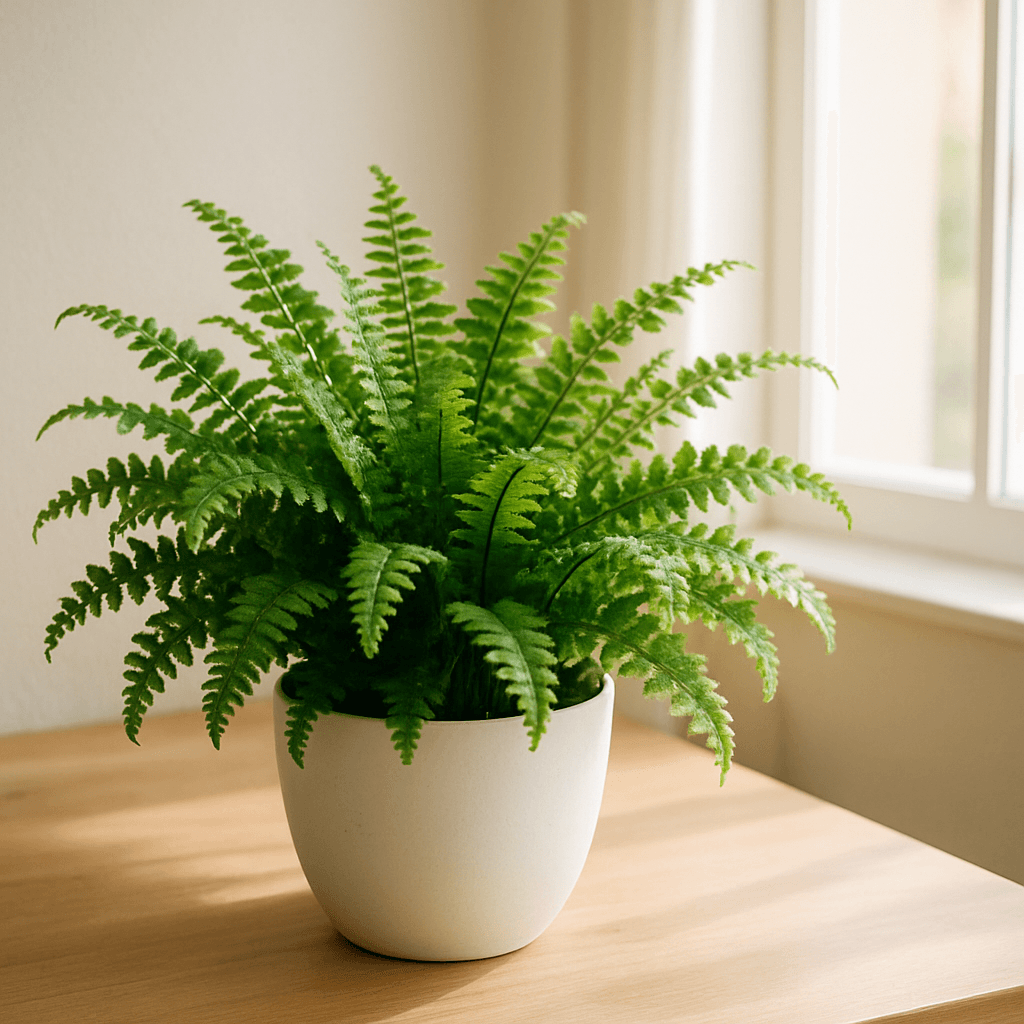
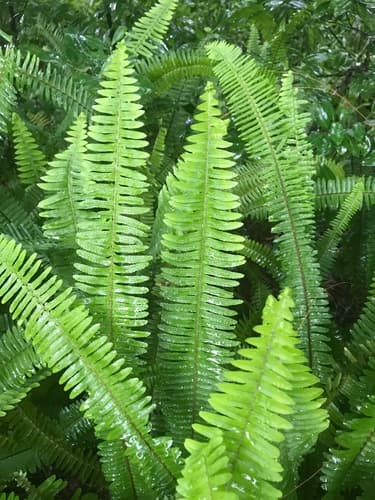
Quick Answer
The one thing that kills more Boston ferns than anything else is letting the soil dry out — even once. These plants respond to drought by shedding fronds dramatically, and they don't bounce back the way most houseplants do. Keep the soil consistently moist, humidity high, and you'll have a happy fern.
⭐Difficulty
Moderate
☀️Light
Low to medium indirect
💧Watering
Every 1–3 days (keep moist)
🌫️Humidity
High (60–80%)
🌡️Temperature
60–75°F
📈Growth Rate
Moderate
Toxicity
Source: ASPCA Animal Poison Control
Watering
Summer
Every 1–3 days (keep moist)
Winter
Every 2–3 days
Method: Keep consistently moist; never let dry
Boston ferns need consistently moist soil — not soggy, but never dry. Poke your finger an inch into the soil; if it feels barely damp, water now. Don't wait for it to feel dry. In summer, that might mean watering every one to three days, especially if the plant is outside or in a warm room. In hot weather, check daily. In winter, indoor heating slows growth, so every two to three days is usually enough — but still check the soil rather than following a fixed schedule. The best method is to water slowly and thoroughly at the base until water drains freely from the bottom. If the root ball has pulled away from the pot edges from any previous drying out, bottom-water instead: set the pot in a basin of water for 30 minutes so the roots can draw moisture back up evenly. Signs of overwatering: soil that stays waterlogged and smells sour, fronds yellowing from the base upward, and roots that look brown and mushy when you check them. Fix it by improving drainage and letting the top inch breathe between waterings — but only the top inch. Signs of underwatering: fronds going limp, yellowing, then dropping fast. Once a Boston fern starts shedding, it's already been dry too long.
Light Requirements
Low to medium indirect
Boston ferns do best in bright indirect light — think a north or east-facing windowsill, or set back 2–3 feet from a south or west window where direct sun won't scorch the fronds. They'll tolerate lower light better than most plants, but growth slows noticeably, so if your space is genuinely dim, a full-spectrum grow light run for 12 hours a day will keep them looking their best.
Soil & Potting
Soil: Rich, peat-based potting mix
Pot: Hanging basket or pot with drainage
Temperature & Humidity
Temperature: 60–75°F (16–24°C)
Humidity: High (60–80%)
Fertilizing
Frequency: Monthly spring/summer; skip winter
Type: Balanced liquid fertilizer, quarter strength
Common Problems
Fronds turning yellow → Underwatering or low humidity. Water more and mist.
Brown, dry fronds → Low humidity. Use humidifier or pebble tray.
Leaf drop → Too dry or too hot. Cool, humid spot needed.
Slow growth → Needs more humidity and fertilizer.
Propagation
The most reliable way to propagate a Boston fern is by division at repotting time. Take the plant out of its pot, pull or cut the root mass apart into two or more sections — each section needs healthy roots and at least a few fronds attached. Pot each division into fresh, moist peat-based mix and water it in well. The thing that trips most people up: the divisions look terrible for two to four weeks. Fronds wilt, some die back, and it's easy to assume you've killed it. Don't overwater trying to fix it — just keep the soil moist and the humidity up, and wait. New growth from the center is the sign it's taken hold. Propagation from spores is technically possible but genuinely difficult and slow — it's a project for very patient growers, not a practical first approach.
Seasonal Care Calendar
🌸 Spring
Move outdoors to a shaded spot or humid bathroom. Resume misting and fertilizing.
☀️ Summer
Thrives outdoors in shade or high-humidity rooms. Water daily in hot weather.
🍂 Fall
Bring back indoors before first frost. Reduce watering as growth slows.
❄️ Winter
Run a humidifier nearby — indoor heating is harsh. Water consistently but reduce frequency slightly.