Prayer Plant Care Guide
Maranta leuconeura
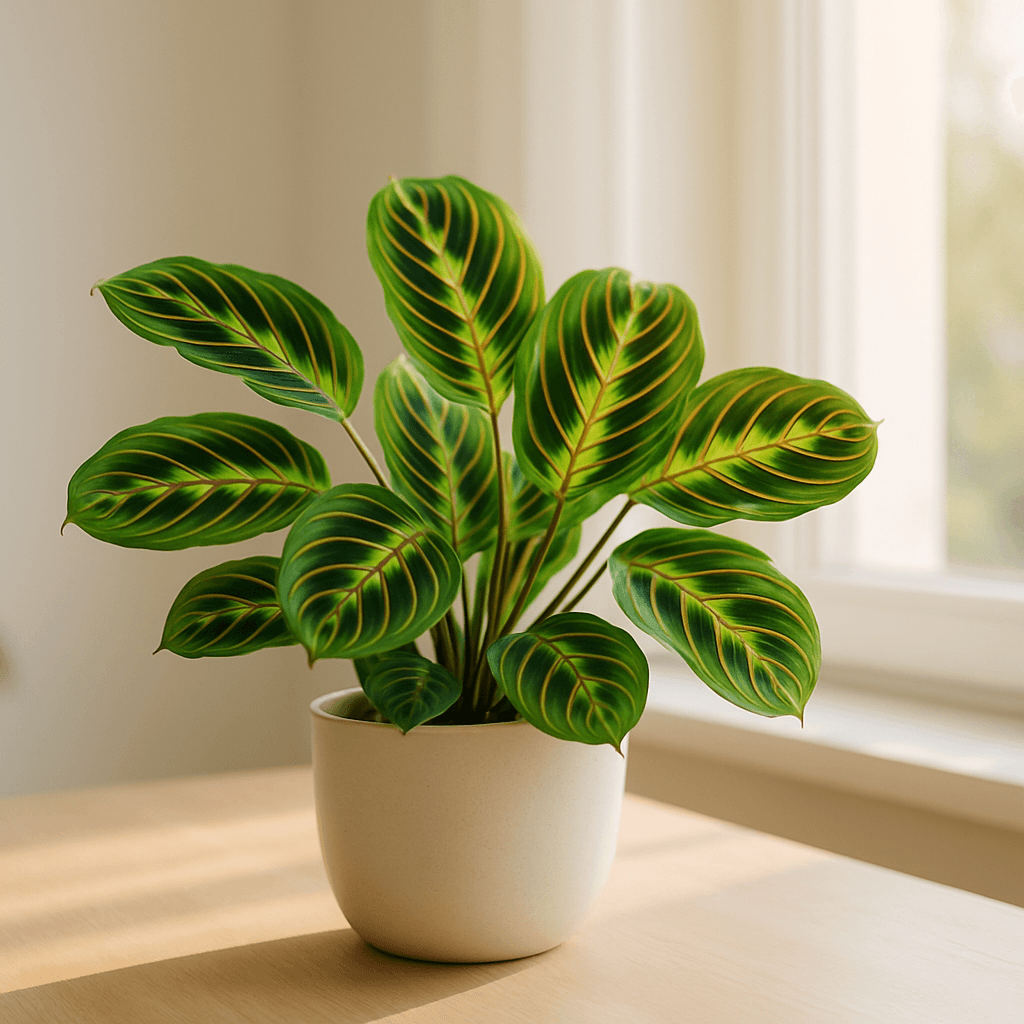
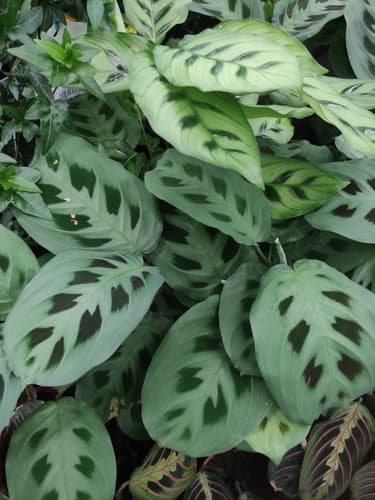
Quick Answer
The biggest mistake people make with prayer plants is using tap water — the fluoride and salts will brown the leaf tips within weeks, and once that damage appears, it doesn't reverse. Switch to filtered or rainwater immediately, keep humidity above 50%, and this plant will reward you with some of the most striking foliage you'll ever grow indoors.
⭐Difficulty
Moderate
☀️Light
Low to medium indirect
💧Watering
Every 1 week
🌫️Humidity
High (50–60%+)
🌡️Temperature
60–80°F
📈Growth Rate
Slow–Moderate
Toxicity
Source: ASPCA Animal Poison Control
Watering
Summer
Every 1 week
Winter
Every 1–2 weeks
Method: Keep soil evenly moist; never let dry out completely
Prayer plants like their soil consistently moist, not soggy and never bone dry. In spring and summer, water about once a week. In fall and winter, stretch that to every one to two weeks depending on how quickly the top inch of soil dries out. Always use filtered water, rainwater, or water that's been left out overnight. Tap water is the single most common source of browning tips. Water temperature matters too — cold water shocks the roots, so use room-temperature water year-round. To water, pour slowly and evenly until water drains from the bottom, then empty the saucer so the roots aren't sitting in standing water. Alternatively, bottom-water for 30 minutes by setting the pot in a tray of room-temperature water, then let it drain fully. Signs of overwatering: yellowing lower leaves, soggy soil that stays wet for more than 10 days, or a musty smell from the pot. Signs of underwatering: curling leaves, dry crispy edges, and soil that pulls away from the pot sides.
Light Requirements
Low to medium indirect
Prayer plants do best in low to medium indirect light — an east-facing windowsill is ideal, giving them gentle morning sun without the intensity that bleaches their markings. If you only have a darker corner, a small grow light on a 12-hour timer will keep the colors vivid and the leaves actively moving through their day-night cycle.
Soil & Potting
Soil: Rich, well-draining potting mix
Pot: Any pot with drainage holes
Temperature & Humidity
Temperature: 60–80°F (16–27°C)
Humidity: High (50–60%+)
Fertilizing
Frequency: Monthly spring/summer; skip winter
Type: Balanced liquid fertilizer, quarter strength
Common Problems
Curling leaves → Low humidity or underwatering. Mist and water more.
Brown edges → Low humidity or fluoride. Use distilled water.
Yellowing leaves → Overwatering or too much light.
Not 'praying' (closing at night) → Normal light variation or stress.
Propagation
The easiest method is division at repotting — when you take the plant out of its pot in spring, you'll often find natural clusters of stems with their own roots that pull apart gently with your hands or a clean knife. Each division needs at least two or three healthy stems and a decent root mass to settle in well; pot each one into fresh, moist soil and keep humidity high for the first two weeks while they establish. You can also propagate by stem cuttings. Cut a stem just below a node (the point where a leaf meets the stem), aim for a cutting with two or three leaves, and place it in a small jar of room-temperature filtered water in bright indirect light. Roots typically appear in three to four weeks. The thing that trips most people up: planting the cutting too early. Wait until the roots are at least an inch long and have a few side branches before moving to soil — cuttings with stubby new roots often struggle to transition and stall out.
Seasonal Care Calendar
🌸 Spring
Resume watering and fertilizing. Divide crowded plants if needed.
☀️ Summer
Provide extra humidity in warm weather. Water consistently. May produce small flowers.
🍂 Fall
Reduce fertilizing. Watch for spider mites as indoor air dries out.
❄️ Winter
Minimal fertilizer. Use room-temperature distilled water only. Avoid cold windows.