Barrel Cactus Care Guide
Ferocactus wislizeni
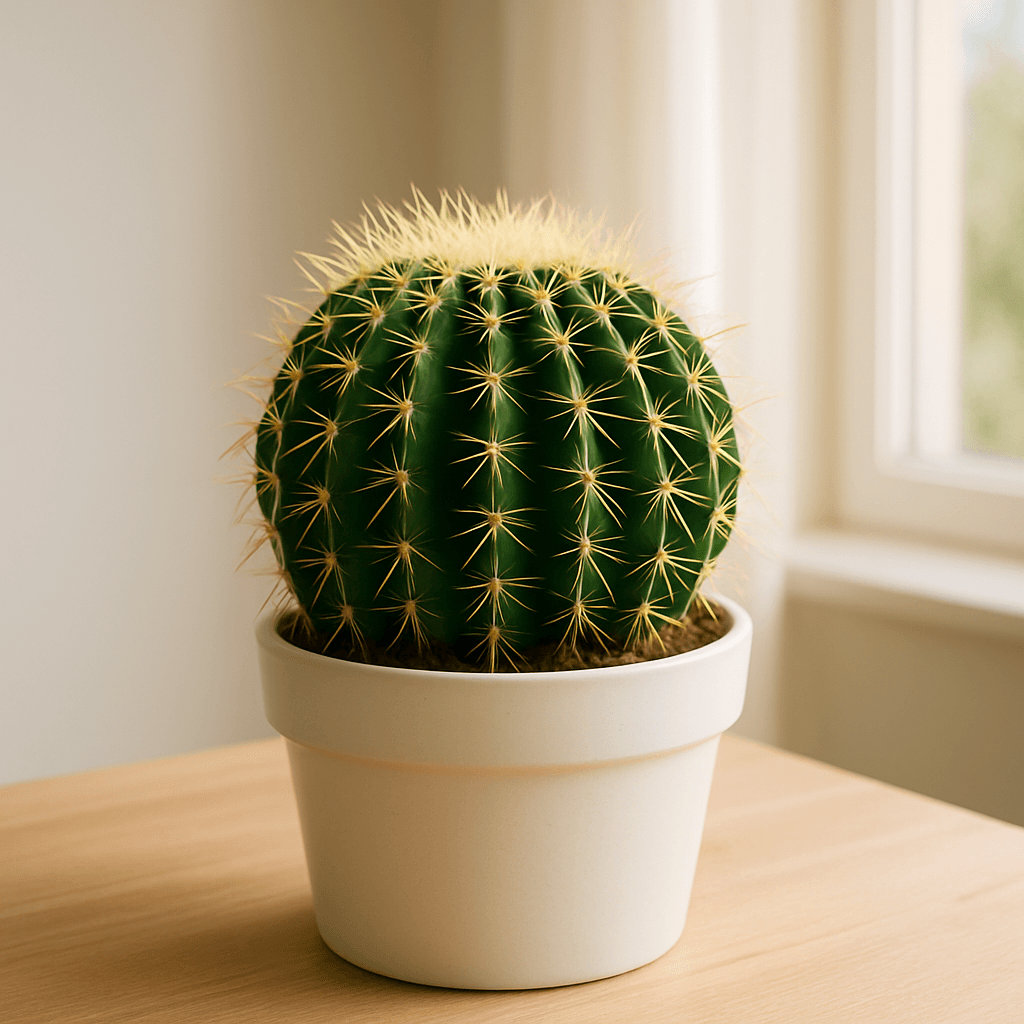
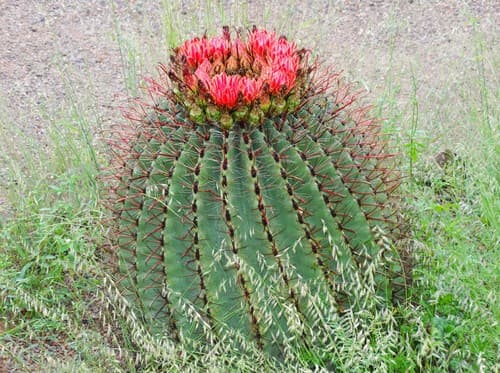
Quick Answer
Barrel cactus is almost impossible to kill with neglect but very easy to kill with kindness. In winter, water it once a month at most — or skip it entirely. In summer, a good deep soak every 3–4 weeks is plenty. It needs direct sun to thrive indoors; a south-facing windowsill is the minimum, and a grow light helps in rooms without strong natural light.
⭐Difficulty
Easy
☀️Light
Full sun to bright indirect
💧Watering
Every 3–4 weeks
🌫️Humidity
Low (10–30%)
🌡️Temperature
40–100°F
📈Growth Rate
Very Slow
Toxicity
Source: ASPCA Animal Poison Control
Watering
Summer
Every 3–4 weeks
Winter
Every 6–8 weeks or skip
Method: Allow to dry completely; infrequent, deep watering
In summer, water barrel cactus approximately every 3–4 weeks; in winter cut back to every 6–8 weeks or skip entirely. Rather than following a calendar, let the soil dry out completely — all the way to the bottom of the pot. Water thoroughly until water drains from the bottom, then don't water again until the soil passes the dryness check. Soft or mushy tissue signals overwatering; slight wrinkling or shrivelling means it's time to water.
Light Requirements
Full sun to bright indirect
Barrel cactus does best on a south- or west-facing windowsill where it gets at least 2–4 hours of direct sun. Without direct light, barrel cactus stretches toward the light source, loses its compact shape, and colour or markings may fade. An east-facing window works as a minimum, but growth will be very slow and the classic round shape may elongate.
Soil & Potting
Soil: Cactus/succulent mix or coarse sand blend
Pot: Terracotta with drainage; gritty mix
Temperature & Humidity
Temperature: 40–100°F (4–38°C)
Humidity: Low (10–30%)
Fertilizing
Frequency: Once in spring
Type: Cactus fertilizer, diluted
Common Problems
Shriveling
Shriveling → Underwatering. Water deeply. Catching the problem early makes it much easier to fix — a mildly shrivelled cactus will recover fully after a thorough watering, but a severely dehydrated one takes longer. Give it a deep soak: fill the saucer and let it absorb from the bottom for 30 minutes, then drain.
Mushy base
Mushy base → Root rot from overwatering. Check the roots: if they're dark, mushy, or smell off, root rot has set in. Unpot the plant, trim all affected roots with clean scissors, dust with cinnamon, and repot in fresh dry cactus mix before resuming a cautious watering schedule. A cactus with mushy tissue at the base is serious — act quickly.
Pale/bleached color
Pale or bleached colour can actually be a sign the cactus is getting adequate light — in very bright conditions, some species develop a whitish or yellowish cast. However, if the cactus looks washed out and is also soft, it may be getting too much heat without enough water. Check soil moisture first before moving it to lower light.
No growth
No growth is normal for barrel cactus — it grows inches per year even in ideal conditions. In winter, growth stops entirely. If a barrel cactus hasn't grown at all in summer and has good light and water, try fertilising once in spring with a diluted cactus fertiliser. Don't mistake dormancy for death.
Propagation
Barrel cactus is very slow to propagate. Seeds are the most common method but require patience — germination takes 1–4 weeks and plants grow very slowly. Offsets (pups) occasionally appear at the base of mature plants; remove them carefully with a clean knife, let the cut end callous for a few days, then plant in dry cactus mix. Don't water for the first week — the cactus needs to develop roots in search of moisture. The main mistake: planting fresh offsets immediately into wet soil, which causes rot before roots can establish.
Seasonal Care Calendar
🌸 Spring
Spring is when barrel cactus wakes up from winter dormancy. Resume watering — start with one thorough soak and see how the plant responds before establishing a regular schedule. This is the best time to repot if needed, and a light feeding with cactus fertiliser once in spring supports the growing season.
☀️ Summer
Summer is peak growing season — barrel cactus benefits from full sun and infrequent but deep watering every 3–4 weeks. If you can move it outdoors to a sunny spot, it will thrive. Introduce it to direct outdoor sun gradually if it has been indoors all winter to prevent sun scorch.
🍂 Fall
As temperatures drop in fall, begin tapering off watering. Barrel cactus will naturally slow its growth rate — this is normal. Stop fertilising by late September and avoid any unnecessary repotting before winter.
❄️ Winter
Winter is near-dormancy for barrel cactus. Water only when the soil has been completely dry for at least a week, which may mean once a month or less. Hold off on fertilising entirely until spring. Don't panic if growth stops completely — this rest is essential for the plant's long-term health.