Aloe Vera Care Guide
Aloe barbadensis miller
Quick Answer
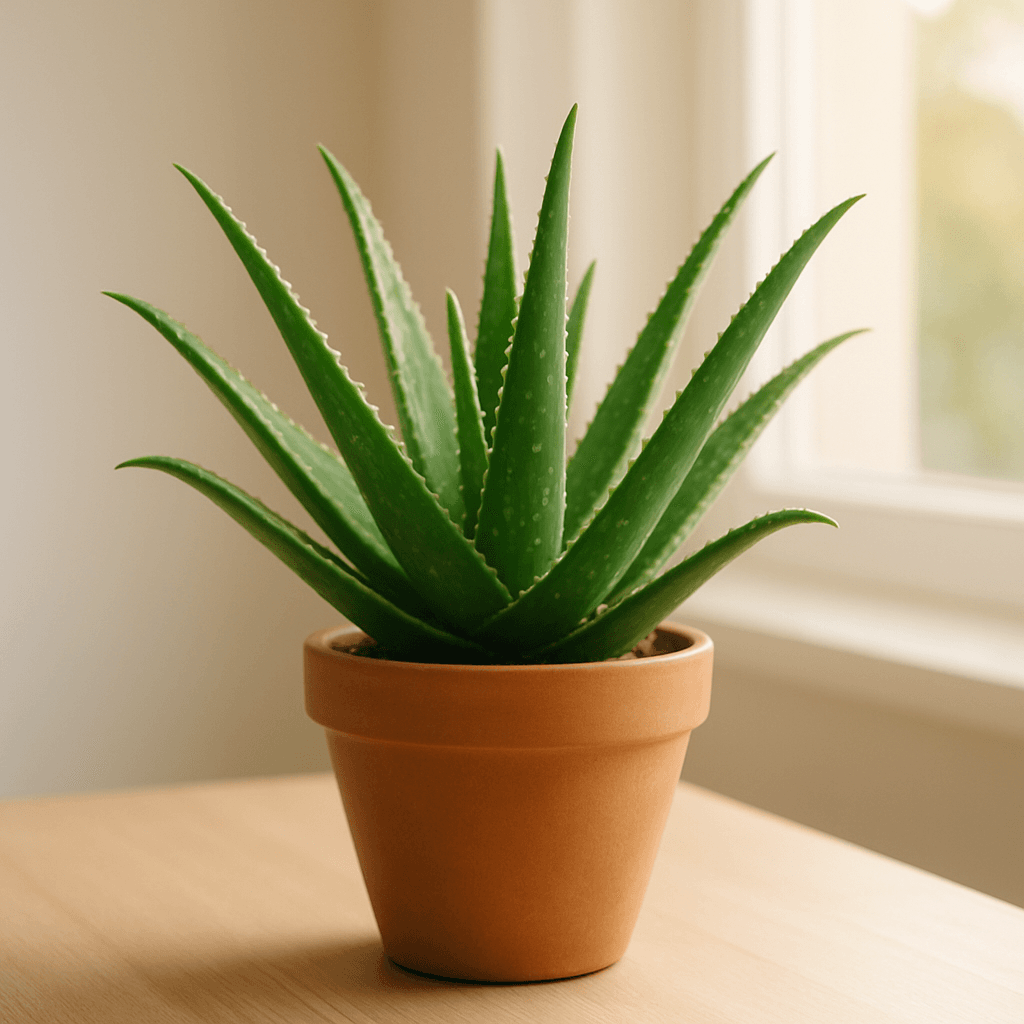
The most common way people kill aloe vera is planting it in regular potting soil — it holds too much moisture, and aloe roots rot fast in wet conditions. Use a gritty cactus or succulent mix, plant it in a terracotta pot with a drainage hole, and water far less often than you think you need to. Get those two things right and this plant will practically take care of itself.
⭐Difficulty
Easy
☀️Light
Bright indirect to direct
💧Watering
Every 2–3 weeks
🌫️Humidity
Low (30–40%)
🌡️Temperature
55–85°F
📈Growth Rate
Slow–Moderate
Toxicity
Source: ASPCA Animal Poison Control
Watering
Summer
Every 2–3 weeks
Winter
Every 4–6 weeks
Method: Allow soil to dry completely; water deeply
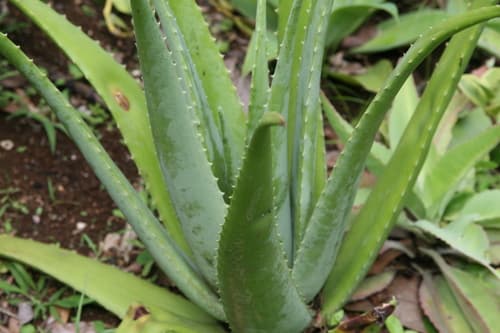
Aloe vera wants to dry out completely between waterings — not just on the surface, but all the way through the pot. Stick your finger 2 inches into the soil. If there's any moisture at all, wait. When the soil is bone dry, water deeply until it runs out of the drainage hole, then leave it alone again. In summer, that usually means watering every 2–3 weeks. In winter, the plant slows down significantly and you can stretch that to every 4–6 weeks without any stress to the plant. Erring on the dry side is almost always safer than erring wet. Signs of overwatering: leaves go soft, mushy, or translucent — especially near the base. Signs of underwatering: leaf tips go brown and papery, and the leaves may start to feel thin or slightly puckered rather than firm and plump.
Light Requirements
Bright indirect to direct
Aloe vera does best in bright indirect light with some gentle direct sun — an east- or south-facing windowsill is ideal, or set it 2–3 feet back from a west-facing window. If your leaves are going pale, flat, or starting to flop, that's a light problem; move it closer to the brightest window in your home or add a grow light to keep it upright and compact through winter.
Soil & Potting
Soil: Succulent/cactus mix; excellent drainage essential
Pot: Terracotta or unglazed clay with drainage
Temperature & Humidity
Temperature: 55–85°F (13–29°C)
Humidity: Low (30–40%)
Fertilizing
Frequency: Once in spring only
Type: Succulent fertilizer (diluted), half strength
Common Problems
Mushy, Translucent Leaves The leaves near the base look water-soaked, feel soft, and may collapse. This is overwatering, and if it's gone on long enough, you've got root rot. Unpot the plant immediately, cut off any black or brown mushy roots, let the roots air-dry for a day, then repot in fresh dry cactus mix. Hold off on watering for at least a week to let any cut root ends callous over.
Brown, Crispy Tips The tips of the leaves are drying out and going tan or brown, and it's moving inward. This is either underwatering, too much intense direct sun, or both. If the soil was very dry, water deeply and see if new growth looks healthier over the next few weeks. If the plant is in harsh afternoon sun through a south or west window, move it back a foot or two — morning sun is gentler and aloe handles it better.
Propagation
Aloe vera propagates through pups — small offsets that sprout from the base of the mother plant. Wait until a pup is at least 3–4 inches tall and has its own visible roots before separating it. Unpot the whole plant, gently pull or cut the pup away from the mother, and let the cut end dry out for 24–48 hours before potting it in dry cactus mix. The thing that trips most people up: they pot the pup and immediately water it, assuming it needs help getting established. Don't. Wait a full week before the first watering. The slight stress of dry soil actually encourages the young roots to reach out and anchor themselves.
Seasonal Care Calendar
🌸 Spring
Begin watering more frequently as temperatures rise. Good time to separate pups.
☀️ Summer
Can move outdoors in bright shade or morning sun. Water every 2–3 weeks.
🍂 Fall
Bring back indoors before temperatures drop below 50°F. Reduce watering.
❄️ Winter
Water very sparingly — every 4–6 weeks. Keep in sunniest window available.