Echeveria Care Guide
Echeveria elegans
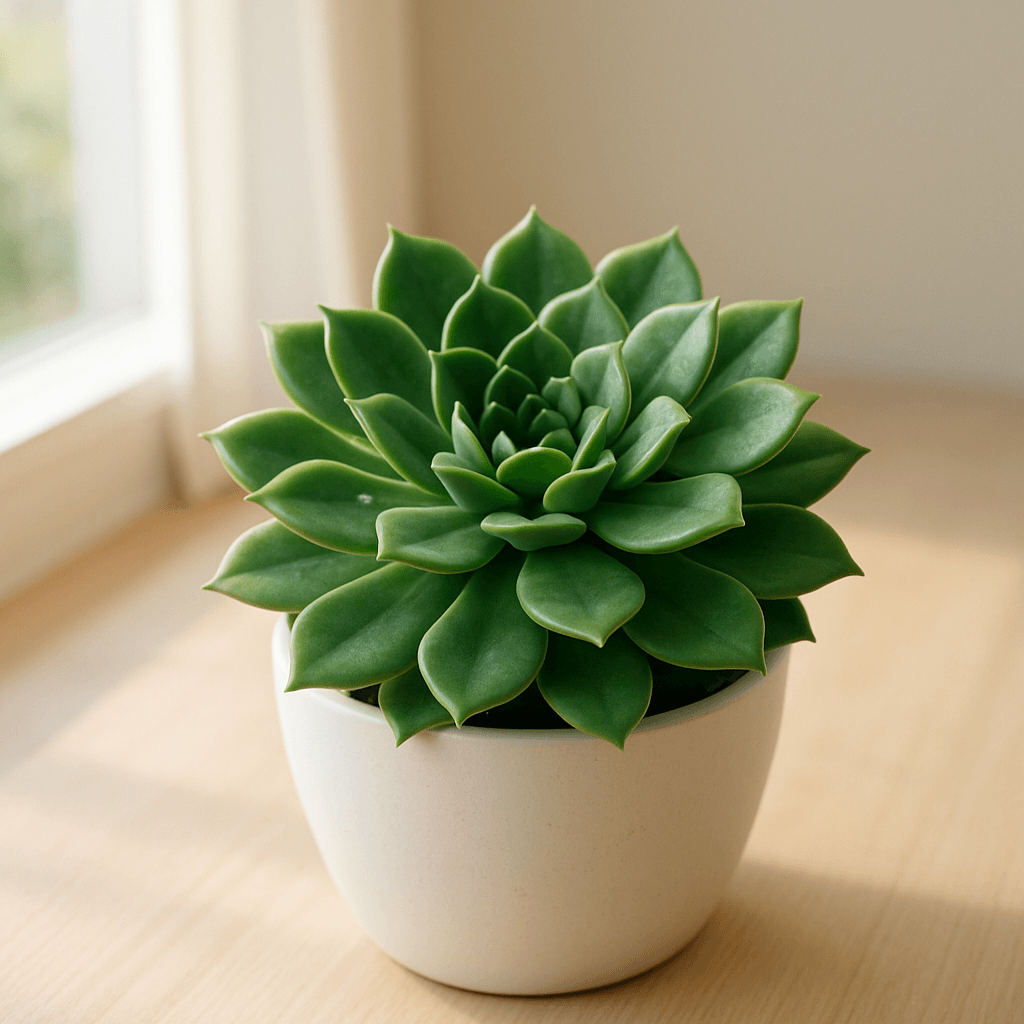
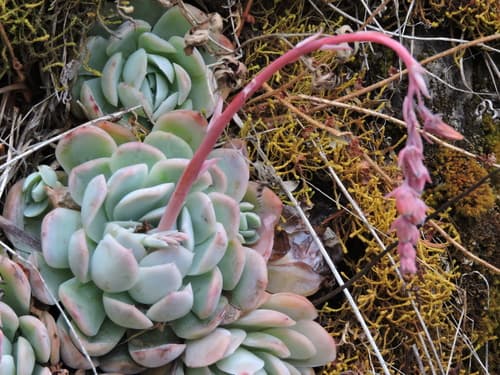
Quick Answer
The most common echeveria mistake is not giving it enough light indoors. Without very bright light — ideally including some direct sun — echeveria stretches and loses its tight rosette shape within a few weeks (this is called etiolation and it's permanent on existing leaves). Water every 2–3 weeks in summer, barely at all in winter, and always water at the base, never into the rosette.
⭐Difficulty
Easy
☀️Light
Bright indirect to direct
💧Watering
Every 2–3 weeks
🌫️Humidity
Low (20–40%)
🌡️Temperature
40–85°F
📈Growth Rate
Slow
Toxicity
Source: ASPCA Animal Poison Control
Watering
Summer
Every 2–3 weeks
Winter
Every 4–8 weeks
Method: Allow to dry completely; water at base
In summer, water echeveria approximately every 2–3 weeks; in winter cut back to every 4–8 weeks. Rather than following a calendar, let the soil dry out completely — all the way to the bottom of the pot. Water thoroughly until it drains from the bottom (at the base, not into the rosette), then don't water again until completely dry. Soft or mushy leaves signal overwatering; slight wrinkling or shrivelling means it's time to water.
Light Requirements
Bright indirect to direct
Echeveria does best on a south- or west-facing windowsill where it gets at least 2–4 hours of direct sun. Without direct light, echeveria stretches toward the light source, loses its compact rosette shape, and colour fades. A grow light positioned close (6–12 inches) on a 12–14 hour timer is the best indoor substitute if a sunny windowsill isn't available.
Soil & Potting
Soil: Gritty succulent/cactus mix
Pot: Shallow terracotta pot with drainage
Temperature & Humidity
Temperature: 40–85°F (4–29°C)
Humidity: Low (20–40%)
Fertilizing
Frequency: Once in spring
Type: Succulent fertilizer, diluted
Common Problems
Mushy leaves
Mushy leaves → Root rot from overwatering. Check the roots: if they're dark, mushy, or smell off, root rot has set in. Unpot the plant, trim all affected roots with clean scissors, dust with cinnamon, and repot in fresh dry gritty mix. Remove any mushy leaves at the base too. This is the number one way echeveria dies indoors.
Stretched/etiolated
Stretched or etiolated growth → Insufficient light. Move outside or under a grow light. Once a rosette stretches, those leaves won't compact back — but you can cut the rosette head off and re-root it, or wait for new compact growth from the base. A grow light at 6–12 inches for 12–14 hours per day is the most reliable indoor solution.
Wrinkled leaves
Wrinkled leaves → Underwatering. Water thoroughly. Unlike mushiness (which is overwatering), wrinkling means the leaves are depleted of stored water. Give it a thorough soak and it should plump up within a day or two. If wrinkling appears despite regular watering, check the soil is actually wetting through — gritty mixes can become hydrophobic if left too dry for long.
Drops lower leaves
Dropping lower leaves is completely normal — echeveria naturally sheds its oldest, lowest leaves as it grows. Remove them cleanly from the stem (they peel off easily) to prevent rot and pests from accumulating. You can attempt to propagate these leaves, though success rate varies.
Propagation
Echeveria propagates two ways: leaf cuttings and offsets (chicks). For leaf cuttings, gently twist a healthy lower leaf off the stem — it must come off cleanly with the base intact, not torn. Let it callous for 24 hours on a dry surface, then lay it on top of dry or barely moist succulent mix (don't bury it). Mist the surface lightly every few days. A tiny rosette will sprout from the base of the leaf in 3–6 weeks. For offsets, remove the small "chick" rosettes that appear around the base, let the cut end callous for a day, then plant in dry mix. The common mistake with leaf propagation: using leaves that were pulled cleanly without the base — those will shrivel and die without ever sprouting.
Seasonal Care Calendar
🌸 Spring
Spring is when echeveria starts actively pushing new growth and often produces flower stalks. Increase watering frequency as the plant becomes more active, begin fertilising once with a diluted cactus fertiliser in spring, and this is the ideal window for repotting if the plant has outgrown its container. Remove offset "chicks" for propagation now.
☀️ Summer
Summer is peak growing season — echeveria benefits from full sun and regular but infrequent watering every 2–3 weeks. If you can move it outdoors to a sunny spot, growth and colour intensity improve dramatically. Watch for signs of heat stress (outer leaves becoming papery) if temperatures exceed 95°F consistently.
🍂 Fall
As temperatures drop in fall, begin tapering off watering. Echeveria will naturally slow its growth rate — this is normal. Stop fertilising and avoid repotting before winter. The shorter days and cooler temperatures often trigger colour changes, with many varieties becoming more vibrant in pink, red, or purple tones.
❄️ Winter
Winter is near-dormancy for echeveria. Water only when the soil has been completely dry for at least a week, which may mean once a month or less. Hold off on fertilising entirely until spring. Maintain the brightest light available — a south window or grow light. Don't panic if growth stops completely.