Spider Plant Care Guide
Chlorophytum comosum
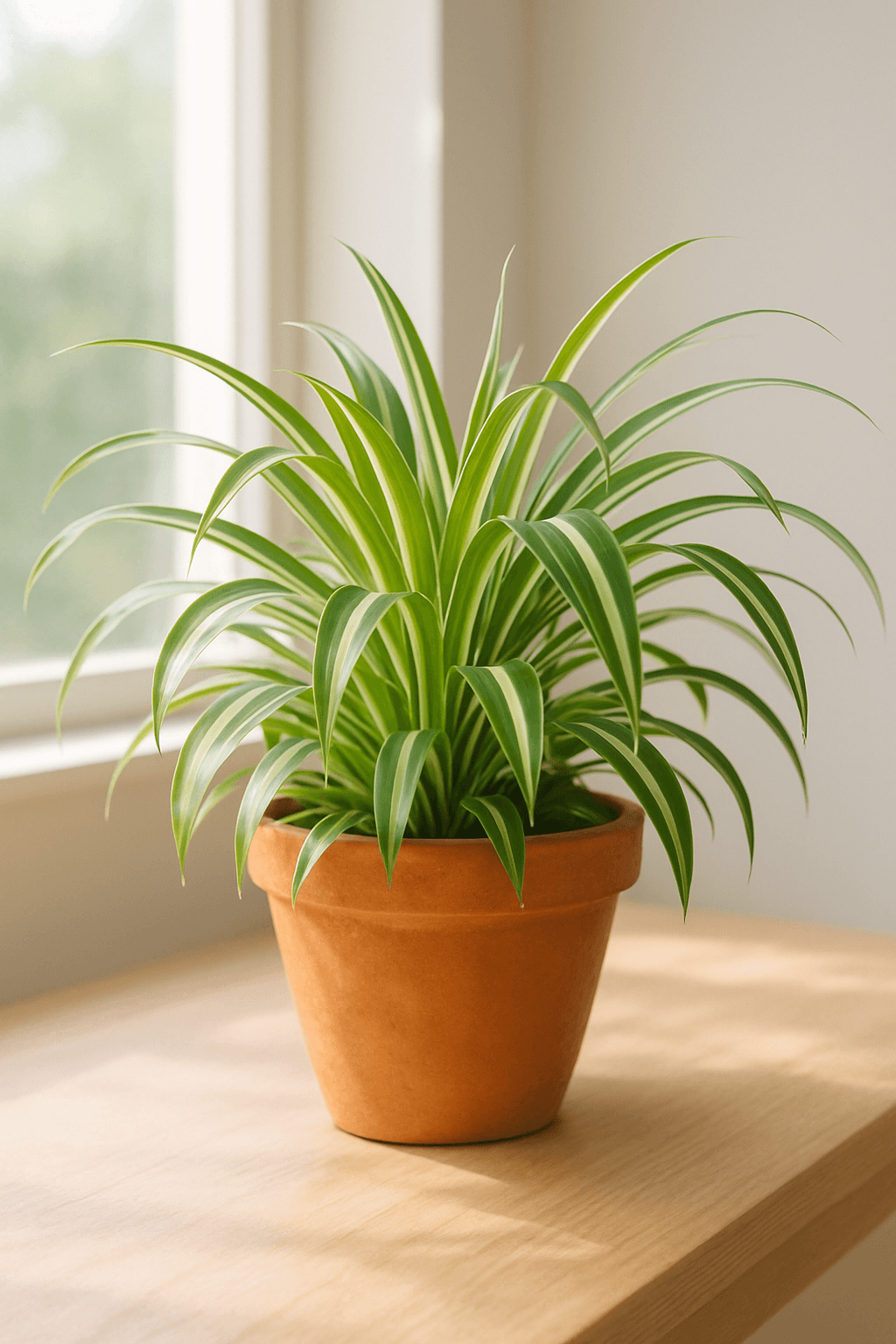
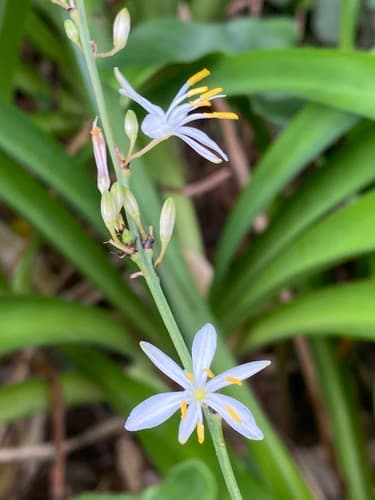
Quick Answer
The biggest mistake people make with spider plants is blaming brown tips on their watering habits when the real culprit is fluoride and mineral salts building up in the soil from tap water. Switch to filtered or distilled water and flush the soil every few months, and those tips will stop crisping up. Beyond that, spider plants are genuinely forgiving — they'll tolerate a lot of neglect and still come back strong.
⭐Difficulty
Easy
☀️Light
Bright indirect to moderate
💧Watering
Every 1–2 weeks
🌫️Humidity
Medium (40–60%)
🌡️Temperature
60–80°F
📈Growth Rate
Moderate–Fast
Toxicity
Source: ASPCA Animal Poison Control
Watering
Summer
Every 1–2 weeks
Winter
Every 2–3 weeks
Method: Water when top inch is dry
Check the top inch of soil before you water. If it's still damp, leave it alone. If it's dry, it's time. In spring and summer, that usually means watering every 1–2 weeks. In fall and winter, the plant slows down and the soil holds moisture longer, so stretch that out to every 2–3 weeks. Don't put it on a rigid schedule — pot size, humidity, and season all affect how fast the soil dries. Signs of overwatering: Yellowing leaves starting at the base, soggy soil, and a pot that never seems to dry out. Let it dry more thoroughly between waterings and check that your drainage holes aren't blocked. Signs of underwatering: Drooping, slightly wrinkled leaves and bone-dry soil pulling away from the pot edges. Give it a thorough drink — set it in the sink and water until it runs freely from the bottom — and it'll usually bounce back within a day. One more thing: use filtered, distilled, or rainwater if you can. Tap water contains fluoride and chlorine that accumulate in the soil over time and show up as brown leaf tips. If you're stuck with tap water, let it sit uncovered overnight before using it — that at least lets the chlorine off-gas.
Light Requirements
Bright indirect to moderate
Spider plants do best in bright indirect light — think an east-facing windowsill or 3–4 feet back from a south or west window where they get good brightness without direct midday sun hitting the leaves. If your plant is in a dim corner and refusing to push out babies, a simple grow light run for 12 hours a day will kick it back into production mode fast.
Soil & Potting
Soil: Standard well-draining potting mix
Pot: Any pot with drainage; hanging baskets popular
Temperature & Humidity
Temperature: 60–80°F (16–27°C)
Humidity: Medium (40–60%)
Fertilizing
Frequency: Monthly spring/summer
Type: Balanced 20-20-20 fertilizer, half strength
Common Problems
Brown tips → Fluoride in tap water or low humidity. Use filtered water.
Drooping → Underwatering or root bound. Water and check pot size.
Yellowing leaves → Overwatering. Reduce frequency.
No spiderettes → Insufficient light or too young. Move to brighter spot.
Propagation
Spider plant propagation is about as easy as it gets. Wait until a spiderette has developed small nub-like roots visible at its base, then snip it off the runner. Set it in a glass of water so just the root nub is submerged — not the whole thing — and place it somewhere with bright indirect light. Roots will be well-established in 1–2 weeks, at which point you can pot it up in standard potting mix and treat it like a mature plant. The thing that trips most people up: they wait too long in water. Once roots are an inch or so long, pot it up. Leaving it in water for weeks produces long, fragile water roots that struggle to adapt to soil, and the baby stalls out instead of taking off.
Seasonal Care Calendar
🌸 Spring
Resume fertilizing. Check for spiderettes to propagate.
☀️ Summer
Peak growth and baby production. Runners with spiderettes emerge freely.
🍂 Fall
Taper fertilizing. Harvest remaining spiderettes before growth slows.
❄️ Winter
Reduce watering. No fertilizer. Excellent low-maintenance winter plant.