Ponytail Palm Care Guide
Beaucarnea recurvata
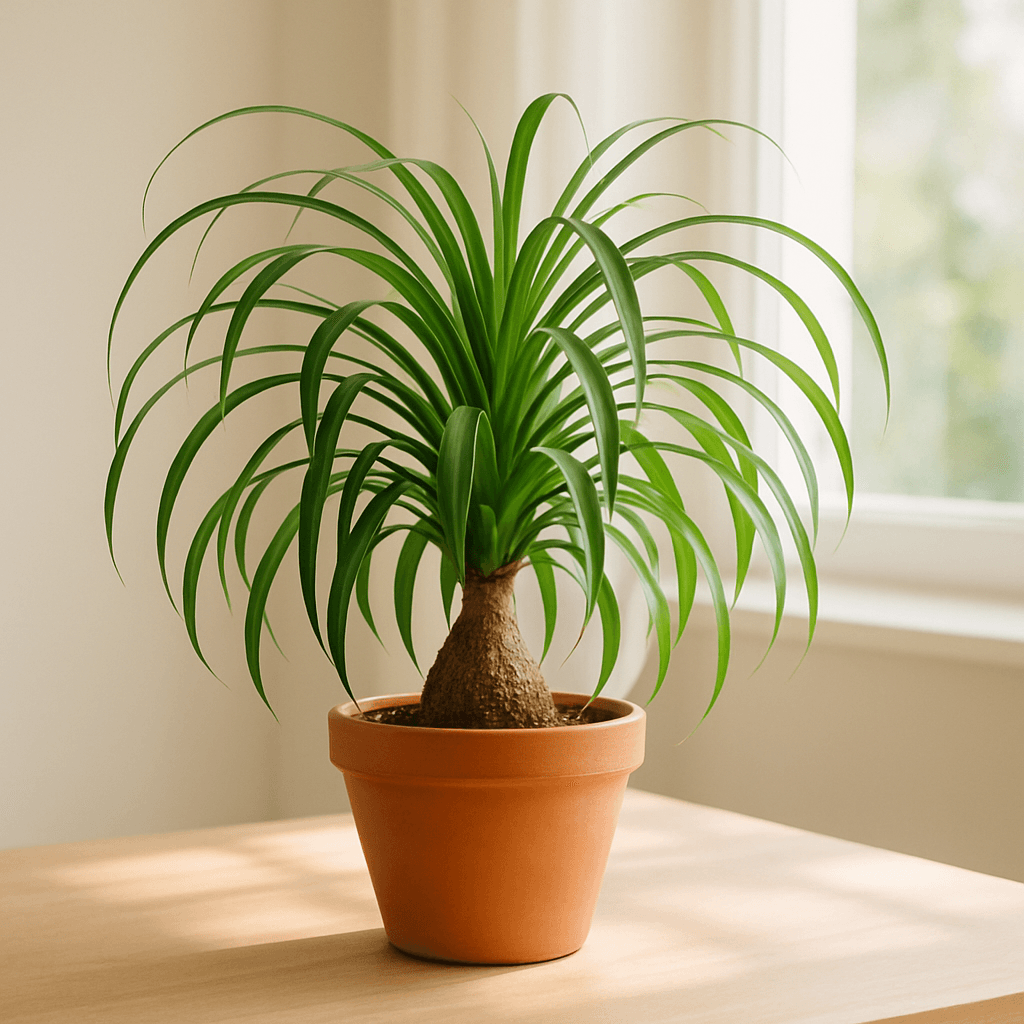
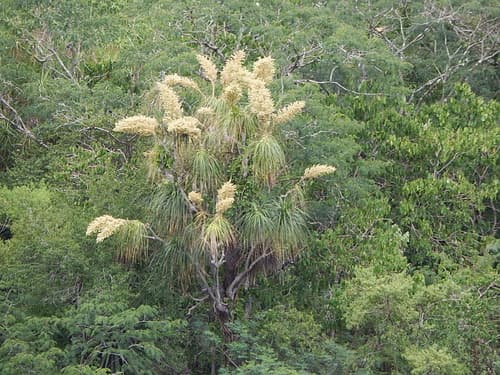
Quick Answer
The most common mistake with ponytail palm care is watering it like a houseplant — it's not one. This plant stores water in its swollen trunk and wants to go completely dry between waterings, which takes weeks, not days. Get the watering right and you'll barely need to think about this plant again.
⭐Difficulty
Easy
☀️Light
Bright indirect to direct
💧Watering
Every 3–4 weeks
🌫️Humidity
Low (20–40%)
🌡️Temperature
50–90°F
📈Growth Rate
Very Slow
Toxicity
Source: ASPCA Animal Poison Control
Watering
Summer
Every 3–4 weeks
Winter
Every 6–8 weeks
Method: Allow to dry completely; stores water in trunk
The trunk is the key to understanding this plant. It's a water-storage organ, which means the ponytail palm is designed to survive drought — not occasional dryness, but weeks without a drop. Water too often and that trunk goes soft before you notice anything's wrong with the leaves. In spring and summer, water every 3–4 weeks. Before you water, push a finger two inches into the soil — it should feel completely dry, not just dry at the surface. When you do water, pour slowly and evenly until it drains from the bottom, then leave it alone. In fall and winter, stretch that out to every 6–8 weeks. The plant isn't actively growing and the soil takes even longer to dry. Err on the side of waiting an extra week rather than watering early. Signs of overwatering: yellowing leaves starting at the base, and eventually a trunk that feels soft or spongy when you press it. Signs of underwatering: leaves that look thin, papery, or crispy all the way through — though honestly, this plant rarely gets truly underwatered in home conditions.
Light Requirements
Bright indirect to direct
Ponytail palms want as much light as you can give them — a south or west-facing window is ideal, and if you can get it within a foot or two of the glass, even better. If your brightest window is weak or north-facing, a grow light set to 12–14 hours a day will prevent the long, floppy leaves that come from reaching for light.
Soil & Potting
Soil: Succulent/cactus mix, very fast draining
Pot: Terracotta with drainage; smaller pots preferred
Temperature & Humidity
Temperature: 50–90°F (10–32°C)
Humidity: Low (20–40%)
Fertilizing
Frequency: Once in spring
Type: Succulent fertilizer, diluted, once
Common Problems
Yellow Leaves → Overwatering Yellow leaves on a ponytail palm almost always mean it's been watered too soon. The lower or older leaves go pale and limp, and if you ignore it, the problem moves up the plant. Stop watering immediately, pull the plant out of its pot, and check whether the soil is still damp — if it is, let the root ball air out for a day before putting it back. Going forward, wait until the soil is bone dry before watering again, and count the weeks, not the soil moisture at the surface.
Brown Leaf Tips → Normal Wear Crispy brown tips on the long, strappy leaves are cosmetically annoying but not a sign anything is wrong. Low humidity, dry indoor air, and just the nature of these leaves mean some tip browning is inevitable. If it bothers you, trim the brown portion off with clean scissors at a slight angle to mimic the natural leaf shape — but don't change anything about your care routine because of it.
Soft or Squishy Trunk → Root Rot A squishy trunk is a serious problem and means water has been sitting at the roots long enough to cause rot. Unpot the plant immediately, shake off the soil, and inspect the roots — cut away anything black or mushy with clean, sharp scissors. Repot into fresh, dry cactus mix in a clean terracotta pot, wait two full weeks before watering, and move it to your brightest window to help it recover.
No Growth → Completely Normal Ponytail palms grow very slowly even under perfect conditions — we're talking inches per year, not per season. If yours looks exactly the same as it did six months ago, that's not a problem. The only thing that speeds growth at all is giving it more light and moving it outdoors in summer; even then, don't expect dramatic changes. Neglect and drought won't hurt it, and that's genuinely part of the appeal. ---
Propagation
Ponytail palms propagate through offsets called pups — small rosettes that occasionally sprout from the base of a mature plant. Wait until a pup is at least 4 inches tall, then use a clean, sharp knife to cut it away from the mother plant as close to the base as possible, ideally with a small bit of root attached. Let the cut end dry and callous over for 24–48 hours, then plant it in dry cactus mix in a small terracotta pot and wait a week before watering lightly. The thing that trips most people up is impatience — pups develop very slowly, and a recently separated pup can look completely unchanged for weeks before it roots. Don't water it on a regular schedule during this period; treat it like a cutting and water only when the soil is fully dry, about once every 2–3 weeks, until you see new leaf growth that signals the roots have established.
Seasonal Care Calendar
🌸 Spring
Begin watering more frequently as temperatures rise. Can move outdoors to full sun.
☀️ Summer
Full sun outdoors encourages fastest growth. Water every 2–3 weeks.
🍂 Fall
Bring indoors before frost. Reduce watering significantly.
❄️ Winter
Water every 6–8 weeks only. Brightest window available.