Bird of Paradise Care Guide
Strelitzia nicolai
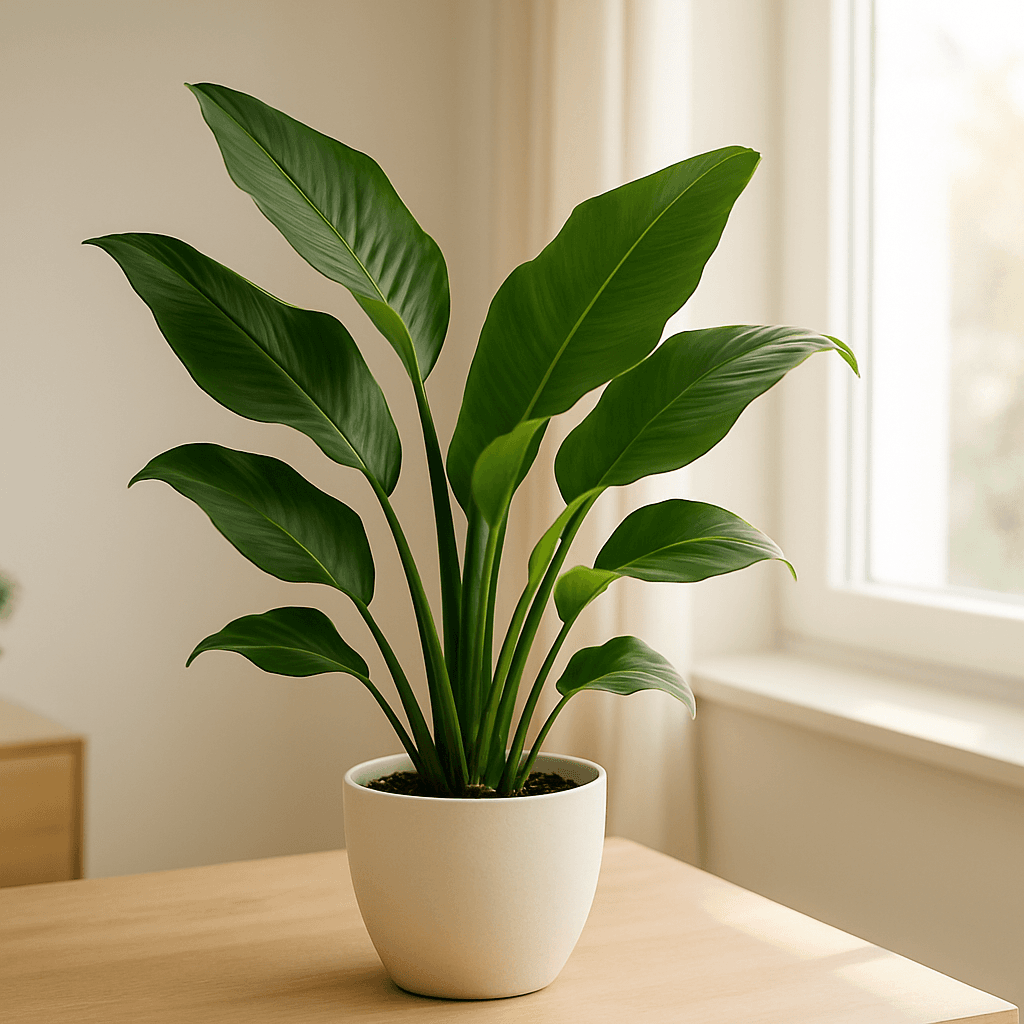
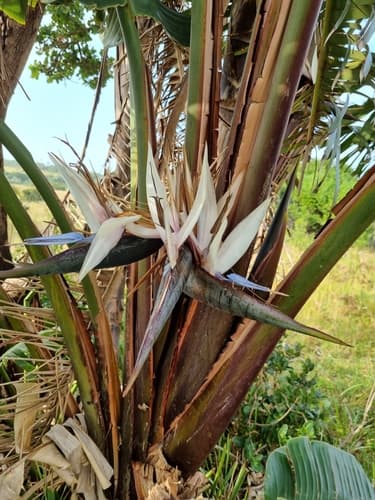
Quick Answer
The biggest mistake people make with bird of paradise is treating it like a shade-tolerant houseplant — it isn't. This plant wants as much light as you can give it, and without a south-facing window, it'll survive but barely grow. Set your expectations on foliage first; blooms indoors are rare and take years, even under ideal conditions.
⭐Difficulty
Moderate
☀️Light
Bright indirect to direct
💧Watering
Every 1–2 weeks
🌫️Humidity
Medium (40–60%)
🌡️Temperature
65–85°F
📈Growth Rate
Moderate
Toxicity
Source: ASPCA Animal Poison Control
Watering
Summer
Every 1–2 weeks
Winter
Every 2–3 weeks
Method: Water when top 2 inches are dry
Water when the top 2 inches of soil are dry — stick your finger in rather than guessing by the calendar. In spring and summer, that usually means every 1–2 weeks. In fall and winter, growth slows and the soil stays wet longer, so stretch that out to every 2–3 weeks. When you water, water thoroughly until it drains freely from the bottom, then empty the saucer. These plants have large rhizomes that store moisture, which makes them more forgiving of missing a watering than of sitting in soggy soil. Signs of overwatering: Yellow leaves, soft stems at the base, soil that smells musty. If you catch it early, let the soil dry out completely before watering again. If the roots have started to rot, unpot the plant, trim any black or mushy roots, and replant in fresh dry mix. Signs of underwatering: Curling or drooping leaves, dry and pulling-away-from-the-pot soil, brown crispy tips. Give it a long, thorough soak and it'll usually recover within a day or two.
Light Requirements
Bright indirect to direct
Bird of paradise needs the brightest spot in your home — a south-facing window where it can get direct sun for several hours a day is ideal. If your best option is an east or west window, a full-spectrum grow light positioned directly above the plant can make up the difference and keep it actually putting out new leaves.
Soil & Potting
Soil: Well-draining rich potting mix
Pot: Large heavy pot with drainage
Temperature & Humidity
Temperature: 65–85°F (18–29°C)
Humidity: Medium (40–60%)
Fertilizing
Frequency: Monthly spring/summer
Type: Balanced 10-10-10 fertilizer, full strength
Common Problems
Splitting/tearing leaves → Normal! Wind causes natural splitting.
Yellow leaves → Overwatering or nutrient deficiency.
Brown tips → Low humidity or underwatering.
No growth → Needs more light and root space.
Propagation
The most reliable way to propagate bird of paradise is by division, done in spring when you're already repotting. Unpot the whole plant, find a natural separation point between a cluster of stems with its own roots attached, and use a clean sharp knife to cut them apart. Pot each division into its own well-draining mix and keep it warm and slightly moist while it settles in. The thing that trips most people up: the divisions sulk. They'll drop a leaf or two and sit completely still for a month or two while they establish new roots — that's normal, not a sign you did it wrong. Don't overwater trying to coax them along; just give them bright light and patience. Seeds are another option but realistically take months to germinate and years before you have anything resembling a proper plant. Division is almost always the better call.
Seasonal Care Calendar
🌸 Spring
Resume fertilizing with full-strength balanced fertilizer. Wipe large leaves clean.
☀️ Summer
Fastest growth. Water and feed regularly. Can move outdoors in full sun for summer.
🍂 Fall
Reduce fertilizing. Bring back indoors before temperatures drop below 50°F.
❄️ Winter
Minimal water and no fertilizer. Maintain bright light — needs it more than most plants.