Alocasia Care Guide
Alocasia polly
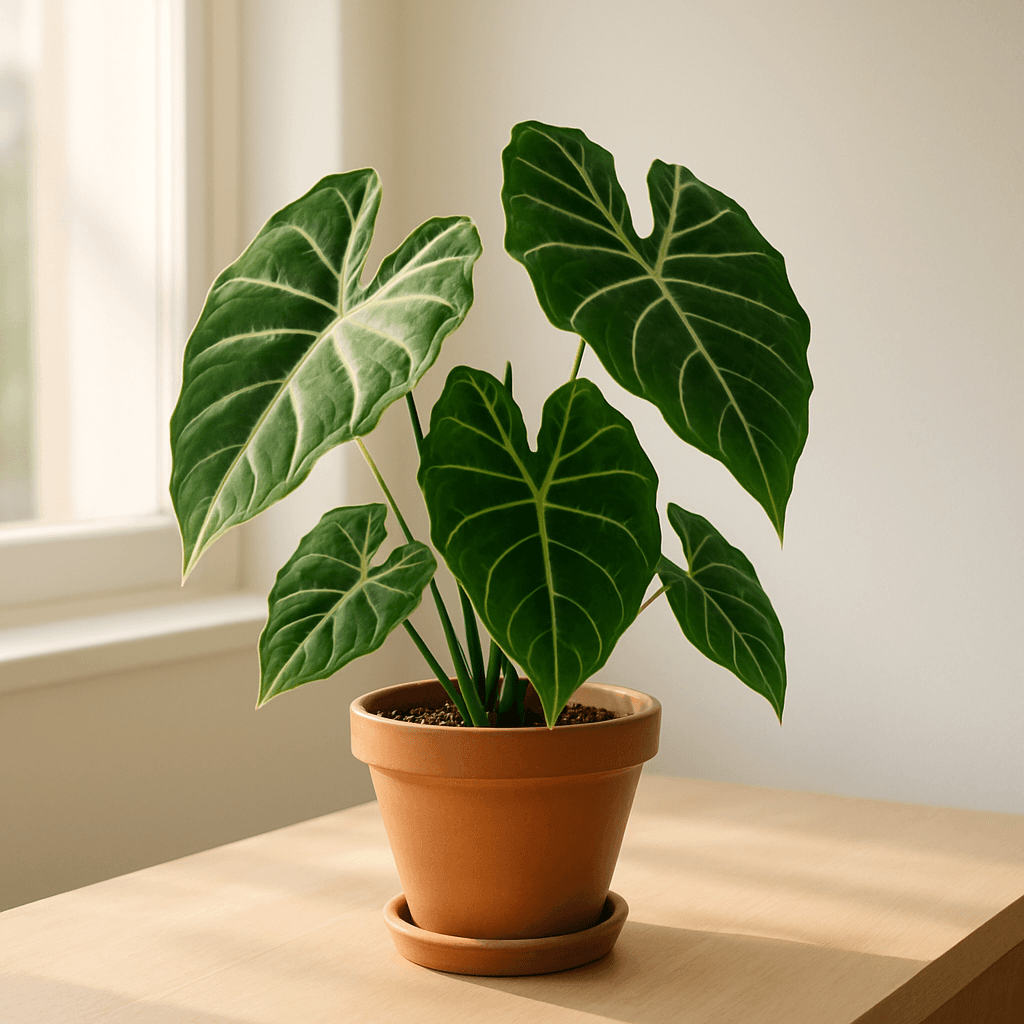
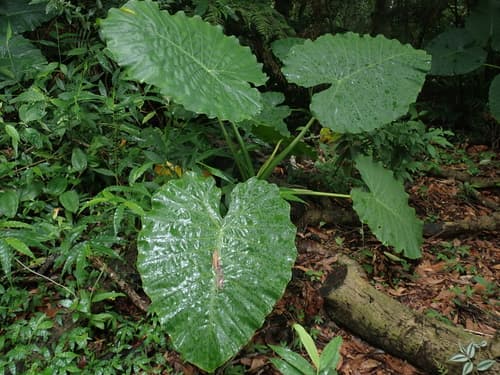
Quick Answer
The biggest mistake people make with Alocasia polly is panicking when it drops leaves in winter and overwatering it trying to "fix" the problem — but dormancy is normal, and extra water at that point will rot the corm. Give it bright indirect light, high humidity, and let it dry out slightly between waterings. Nail those three things and this plant will reward you with dramatic, arrow-shaped leaves that make every other plant in the room jealous.
⭐Difficulty
Moderate–Hard
☀️Light
Bright indirect
💧Watering
Every 1 week
🌫️Humidity
High (60%+)
🌡️Temperature
65–85°F
📈Growth Rate
Moderate
Toxicity
Source: ASPCA Animal Poison Control
Watering
Summer
Every 1 week
Winter
Every 1–2 weeks
Method: Keep slightly moist; never soggy
During spring and summer, water roughly once a week — but check the soil first rather than going by the calendar. Stick your finger about an inch into the soil; water when the top inch is dry but the soil below still feels slightly cool and damp. You're aiming for consistently moist, never waterlogged. In fall and winter, back off to every 1–2 weeks, and if the plant drops leaves and goes dormant, water even less — just enough to keep the corm from completely drying out. A good rule: when in doubt in winter, wait another three days. Always use a pot with drainage holes. If water sits in a saucer after 30 minutes, dump it. Alocasia roots are highly susceptible to rot, and soggy soil will kill this plant faster than almost anything else. Signs you're overwatering: yellowing lower leaves, mushy stems at the base, soil that smells sour. Signs you're underwatering: drooping leaves that perk back up within a few hours of watering, dry soil pulling away from the pot edges.
Light Requirements
Bright indirect
Alocasia polly needs bright indirect light — think an east-facing windowsill or positioned 2–3 feet back from a south or west window with a sheer curtain filtering the direct rays. It fades fast in low light, so if you're in a darker home, a full-spectrum grow light running 12–14 hours a day will keep it from slowly declining over winter.
Soil & Potting
Soil: Well-draining aroid mix (perlite + bark + potting mix)
Pot: Pot with drainage; not too large
Temperature & Humidity
Temperature: 65–85°F (18–29°C)
Humidity: High (60%+)
Fertilizing
Frequency: Monthly spring/summer; skip winter
Type: Balanced fertilizer, half strength
Common Problems
Yellow leaves → Overwatering or nutrient deficiency.
Drooping → Underwatering or too much direct sun.
Leaf drop in winter → Dormancy. Normal — will return in spring.
Brown edges → Low humidity. Increase humidity significantly.
Propagation
Alocasia polly propagates through division of its corms and offsets — the small bulb-like structures that form at the base of a mature plant. When you're repotting in spring, gently separate any offsets that have their own roots attached, pot them individually in moist aroid mix, and keep them warm and humid while they establish. The thing that trips most people up is dividing offsets that are too small or don't yet have their own roots — those rarely survive on their own, so only separate offsets that already look like a real plant in miniature. Give a newly divided offset a few weeks in a clear plastic bag or a humidity dome to help it settle in before exposing it to normal room conditions.
Seasonal Care Calendar
🌸 Spring
If dormant, restart watering gradually as temperatures warm. Resume fertilizing.
☀️ Summer
Peak growth. Water weekly. High humidity essential. Watch for spider mites and thrips.
🍂 Fall
Begin reducing water. Plant may start dropping leaves — this is dormancy starting, not death.
❄️ Winter
Minimal water. If leaves die back completely, keep corm slightly moist and wait for spring.