Lithops Care Guide
Lithops spp.
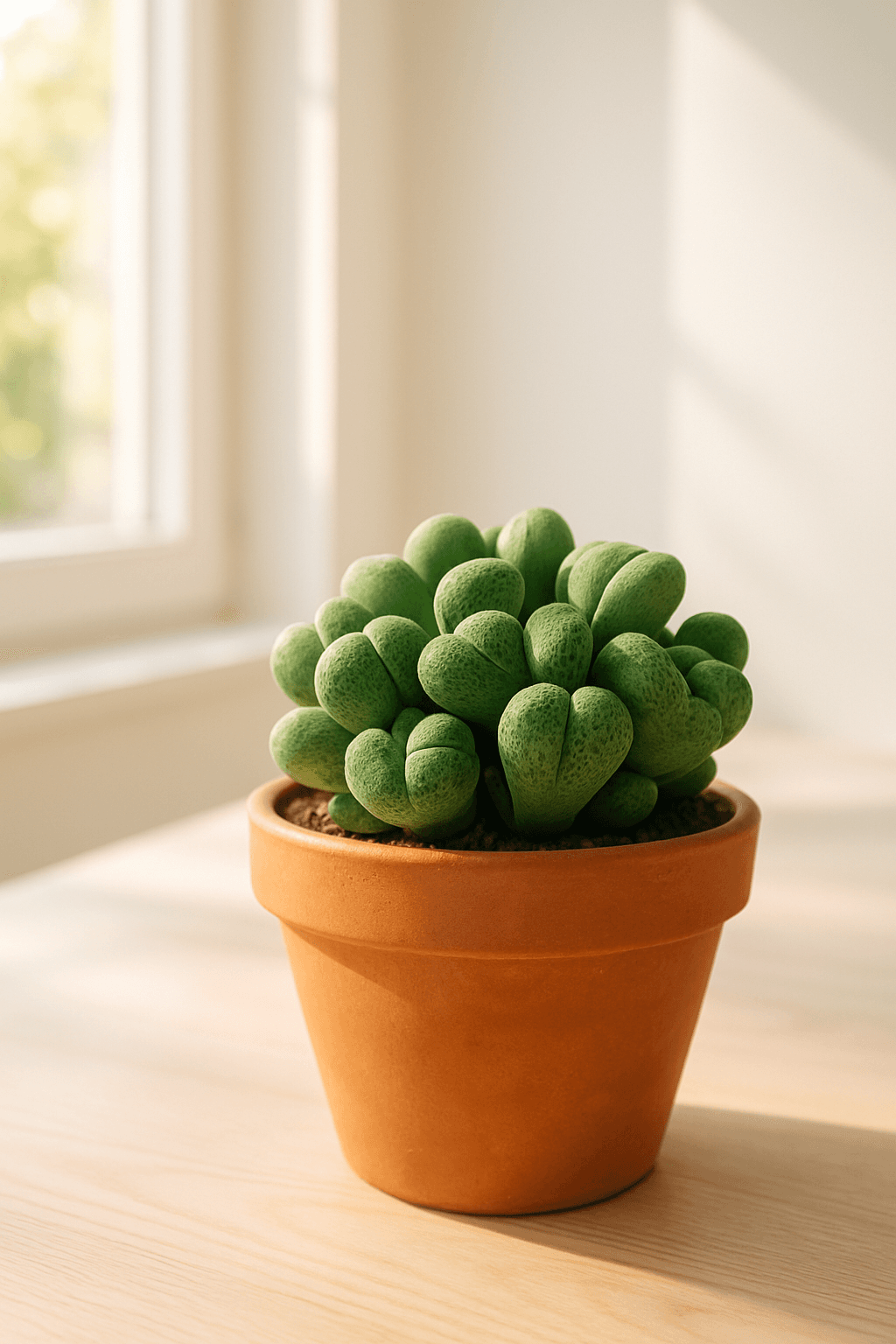
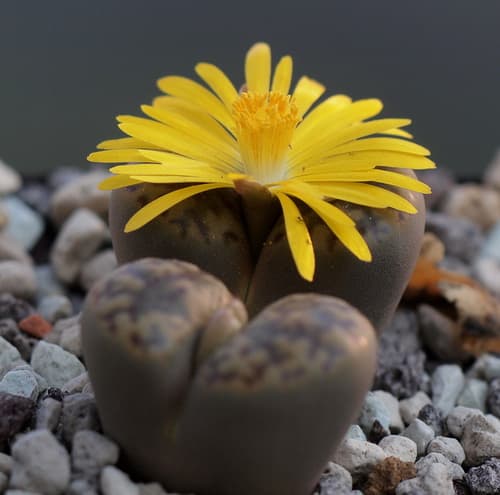
Quick Answer
The most common mistake with Lithops is overwatering — it stores water and handles drought far better than soggy soil. Let the soil dry out completely between waterings and when in doubt, wait another few days. Plant it in fast-draining mix (a cactus or succulent blend) and a pot with good drainage to give yourself a margin for error.
⭐Difficulty
Moderate–Difficult
☀️Light
Full sun to bright direct
💧Watering
Do NOT water (summer dormancy)
🌫️Humidity
Very Low (under 30%)
🌡️Temperature
45–90°F
📈Growth Rate
Very Slow
Toxicity
Source: ASPCA Animal Poison Control
Watering
Summer
Do NOT water (summer dormancy)
Winter
Very minimal — only water during active growth in autumn
Method: CRITICAL: Do NOT water during summer (June–August). Water very sparingly only in autumn when new leaves emerge. Stop watering again in spring as old leaf pair shrivels. Over-watering is the primary killer. When watering: soak soil, then do not water again until soil is bone dry.
In summer, aim to water lithops approximately do not water (summer dormancy); in winter cut back to around very minimal — only water during active growth in autumn. Rather than following a calendar, let the soil dry out completely — all the way to the bottom of the pot. Water when the top 1–2 inches of soil are dry, then water thoroughly so it drains from the bottom. Soft or mushy leaves signal overwatering; slight wrinkling or shrivelling means it's time to water.
Light Requirements
Full sun to bright direct
Lithops does best in a south- or west-facing windowsill where it gets at least 2–4 hours of direct sun. Without direct light, Lithops stretches toward the light source, loses its compact shape, and colour or markings may fade.
Soil & Potting
Soil: Very gritty mineral mix: 80% coarse mineral material (perlite, pumice, sand) + 20% potting mix
Pot: Deep terracotta pot (roots go deep); narrow pots work well
Temperature & Humidity
Temperature: 45–90°F (7–32°C)
Humidity: Very Low (under 30%)
Fertilizing
Frequency: Do not fertilize
Type: N/A — fertilizing causes splitting and damage
Common Problems
Mushy/rotting plant
Mushy/rotting plant: Overwatering. Most common killer. Follow the annual cycle strictly. Check the roots: if they're dark, mushy, or smell off, root rot has set in. Unpot the plant, trim all affected roots with clean scissors, dust with cinnamon, and repot in fresh dry mix before resuming a cautious watering schedule.
Splitting at wrong time (summer)
Splitting at wrong time (summer): Overwatering or insufficient light. Check the roots: if they're dark, mushy, or smell off, root rot has set in. Unpot the plant, trim all affected roots with clean scissors, dust with cinnamon, and repot in fresh dry mix before resuming a cautious watering schedule.
No flowers
No flowers: Insufficient light (need full direct sun) or incorrect watering cycle. Catching the problem early makes it much easier to fix — watch for early warning signs and act before the plant is in serious distress.
Elongated/stretched
Elongated/stretched: Insufficient light. Needs 4–6+ hours direct sun. Leggy, sparse growth means the plant is reaching for more light than it's getting. Move it meaningfully closer to a window rather than just a few inches — plants often need far more light than we assume they do.
Propagation
Lithops is typically propagated by seeds (very slow), division of naturally occurring clusters. Work during the active growing season (spring or early summer) for the best success rate. Keep propagations warm, humid, and in bright indirect light while they establish. Resist tugging on them to test for roots — a gentle resistance when you lightly pull is enough to confirm they've taken.
Seasonal Care Calendar
🌸 Spring
Spring is when Lithops starts actively pushing new growth as day length and light intensity increase. Increase watering frequency as the plant becomes more active, begin fertilising every 2–4 weeks with a balanced liquid fertiliser, and this is the ideal window for repotting or taking cuttings.
☀️ Summer
Summer is peak growing season — Lithops is working hard and using water and nutrients faster than at other times of year. Water more frequently but check the soil rather than going on a fixed schedule, since heat and higher light accelerate drying. If you move it outdoors, introduce it to conditions gradually to prevent sun scorch.
🍂 Fall
As temperatures drop and light levels decrease in fall, begin tapering off watering. Lithops will naturally slow its growth rate — this is normal. Stop fertilising by late October and avoid any unnecessary repotting before winter. Watch for flower buds developing around autumn (september–november) — avoid repotting or relocating the plant at this time.
❄️ Winter
Winter is near-dormancy for Lithops. Water only when the soil has been completely dry for at least a week, which may mean once a month or less. Hold off on fertilising entirely until spring. Don't panic if growth stops completely — this rest is essential for the plant's long-term health.