Corn Plant Care Guide
Dracaena fragrans
Quick Answer
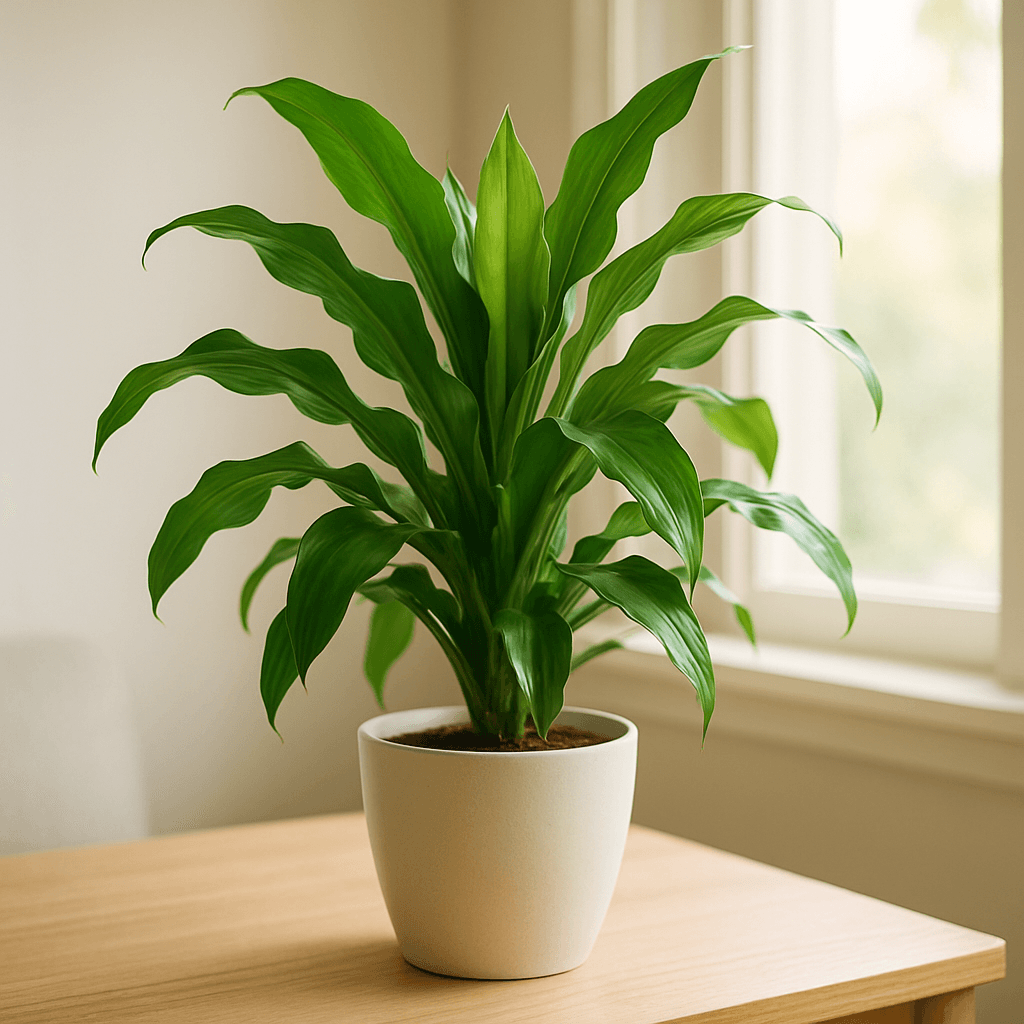
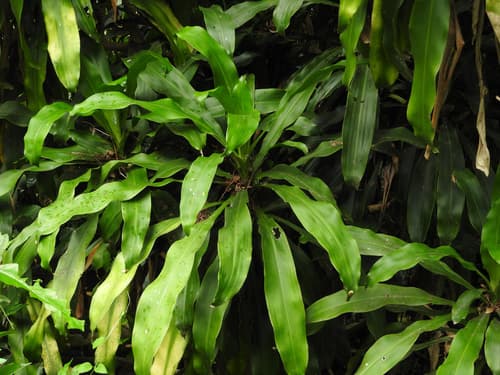
Corn plant's chronic brown tips almost always come from fluoride in tap water — switch to filtered or rainwater and the new growth comes in clean. It's surprisingly drought-tolerant, so the other common mistake is overwatering; let the top half of the soil dry out between waterings. Give it low to bright indirect light and it'll grow steadily with minimal fuss.
⭐Difficulty
Easy
☀️Light
Low to bright indirect
💧Watering
Every 1–2 weeks
🌫️Humidity
Low–Medium (30–50%)
🌡️Temperature
60–85°F
📈Growth Rate
Slow
Toxicity
Source: ASPCA Animal Poison Control
Watering
Summer
Every 1–2 weeks
Winter
Every 2–3 weeks
Method: Allow top half of soil to dry between waterings
In summer, water corn plant approximately every 1–2 weeks; in winter cut back to every 2–3 weeks. Rather than following a calendar, allow the top half of the soil to dry between waterings. Water thoroughly until it drains from the bottom, then don't water again until the soil passes the dryness check. Yellow leaves often signal overwatering; drooping with dry soil means it needs water now.
Light Requirements
Low to bright indirect
Corn plant does best near an east- or north-facing window out of direct midday sun. It tolerates lower light better than most large houseplants, making it a good choice for rooms without strong natural light. Avoid harsh afternoon sun, which can scorch the leaves and bleach the yellow stripe in variegated varieties.
Soil & Potting
Soil: Well-draining potting mix
Pot: Heavy pot with drainage
Temperature & Humidity
Temperature: 60–85°F (16–29°C)
Humidity: Low–Medium (30–50%)
Fertilizing
Frequency: Monthly spring/summer; skip winter
Type: Balanced fertilizer, half strength
Common Problems
Brown tips
Brown tips → Fluoride or salt buildup. Use filtered water; flush soil. This is by far the most common corn plant complaint and almost always a water quality issue, not a watering frequency problem. Switch to filtered or distilled water, and periodically flush the soil by running large amounts of water through until it drains freely, which washes out accumulated salts. Existing brown tips won't green up — trim them with clean scissors — but new growth will come in cleanly.
Yellow lower leaves
Yellow lower leaves → Natural aging or overwatering. Some yellowing of the oldest, lowest leaves is completely normal as the plant grows taller and sheds them. If yellowing is appearing on younger or upper leaves, check the soil: consistently wet soil points to overwatering. Hold off watering entirely until the top half of the soil dries out before resuming.
Soft, mushy base
Soft, mushy base → Root rot. Repot with dry fresh soil. This is a serious situation — check the roots: if they're dark, mushy, or smell off, root rot has set in. Unpot the plant, trim all affected roots with clean scissors, dust with cinnamon, and repot in fresh dry mix before resuming a cautious watering schedule.
Pale or bleached leaves
Pale or bleached leaves → Too much light. Move to shade. Direct sun, especially afternoon sun, bleaches and scorches corn plant leaves. Move it several feet back from the window or add a sheer curtain to filter harsh light. A simple LED grow light is enough supplemental light in low-light rooms without the burn risk.
Propagation
Corn plant propagates well by stem cuttings or cane cuttings. For stem cuttings, take a 4–6 inch section with at least one node, remove lower leaves, and place in water or moist potting mix. Cane cuttings — sections of bare stem without leaves — can be laid horizontally on moist soil, half-buried, and will produce new shoots from the nodes. In either case, keep warm and in bright indirect light. Roots take 3–6 weeks. The common mistake: trying to root cuttings that have no node — without one, nothing will sprout.
Seasonal Care Calendar
🌸 Spring
Spring is when corn plant starts actively pushing new growth as day length and light intensity increase. Increase watering frequency as the plant becomes more active and begin fertilising every 2–4 weeks with a balanced liquid fertiliser. This is the ideal window for repotting if root-bound.
☀️ Summer
Summer is peak growing season. Water more frequently but check the soil rather than going on a fixed schedule. If you move it outdoors to a shaded spot, growth accelerates noticeably. Continue fertilising monthly through summer.
🍂 Fall
Fall is a transition: corn plant grows more slowly as light levels decrease. Reduce watering frequency slightly, stop fertilising by late October, and move it closer to a window to compensate for shorter days. Avoid drafts from opening windows as temperatures drop.
❄️ Winter
In winter, corn plant enters a slower-growth phase and uses water more slowly than in summer. Water less frequently to avoid root issues from soil staying wet too long in low light. If your home is heated and the air is dry, a pebble tray or humidifier keeps the plant comfortable.