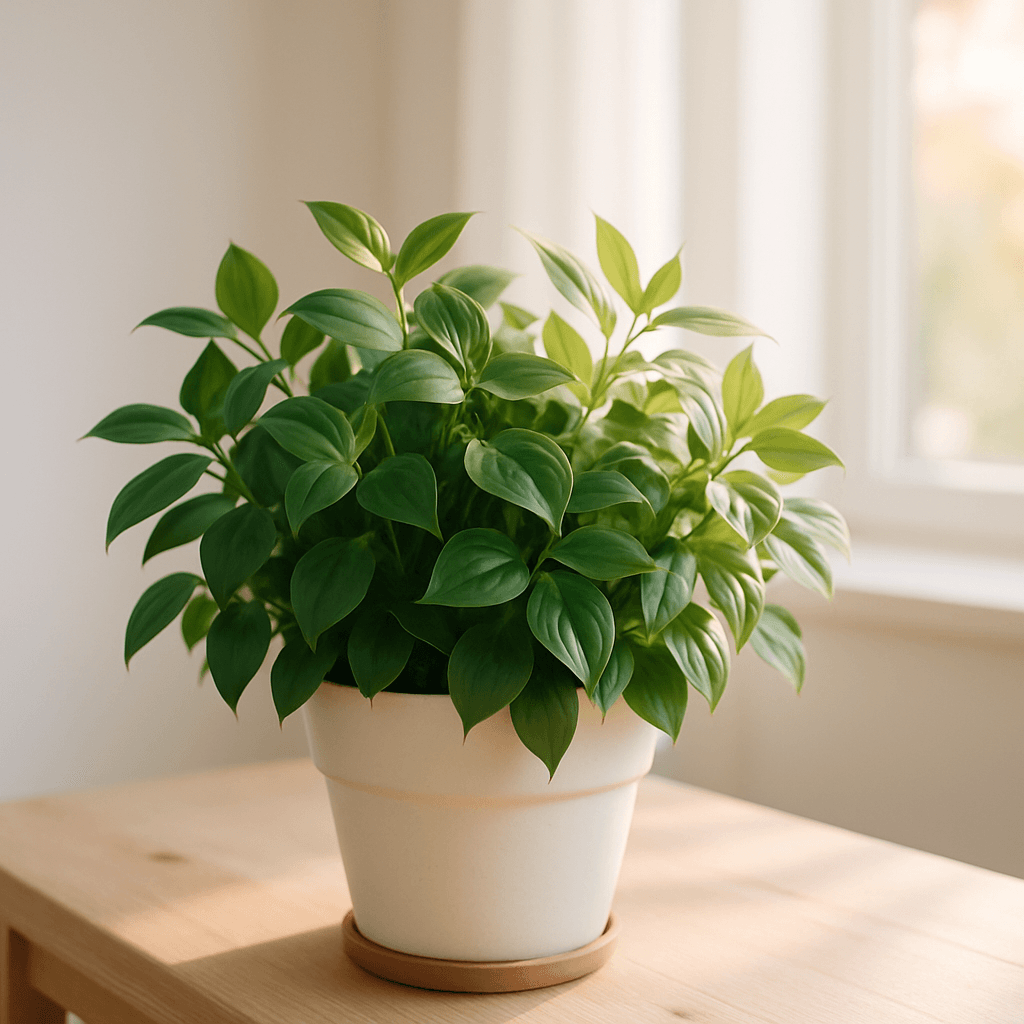
Pothos vs Tradescantia: Easy Trailers Compared
Pothos is the more forgiving plant, especially in low-light homes. Epipremnum aureum tolerates near-dark corners, goes 1–2 weeks between waterings, and rarely complains. Tradescantia zebrina grows faster and produces dramatic purple-and-silver foliage, but needs bright indirect light to keep its colour and dries out more quickly. Both are toxic to pets.
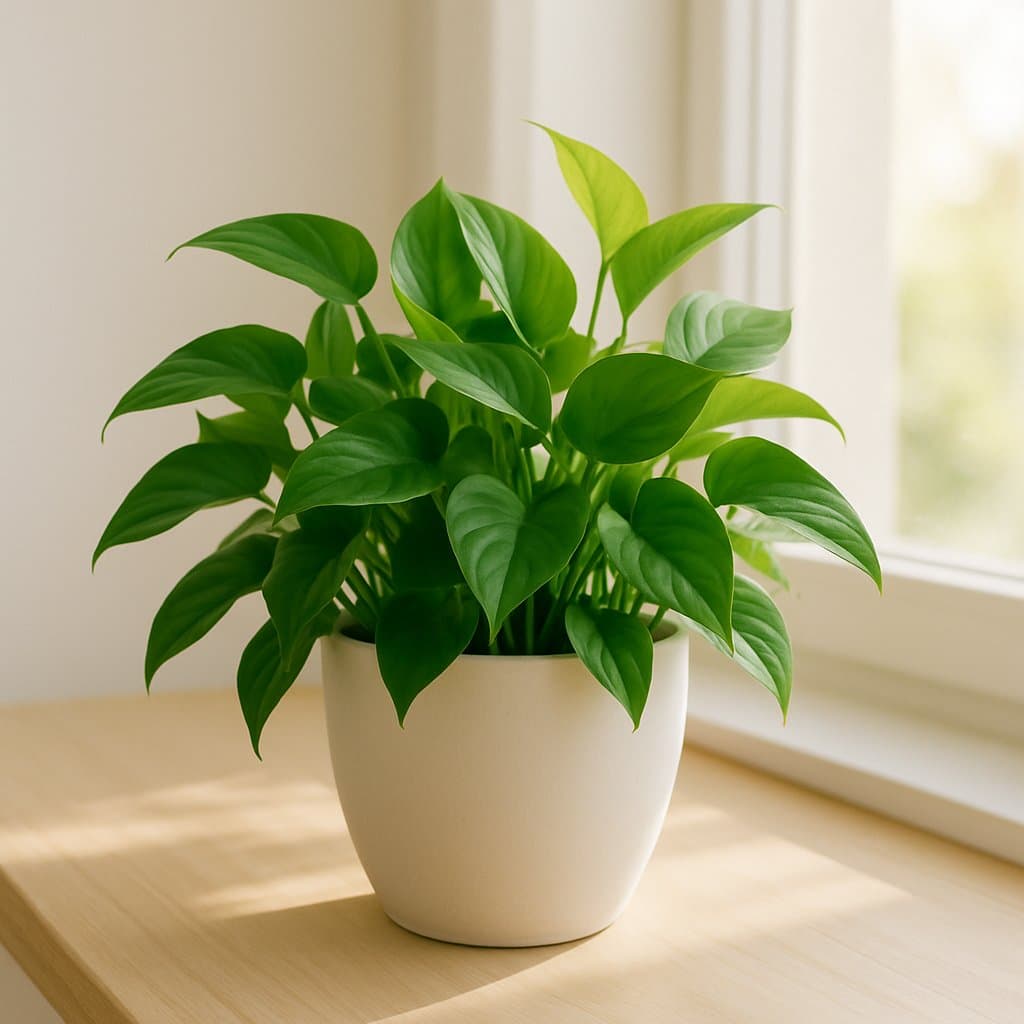
Pothos vs Tradescantia: At a Glance
Both are trailing vining plants that propagate easily from cuttings and grow quickly in good conditions.
Pothos (Epipremnum aureum): low to bright indirect light, water every 1–2 weeks in summer and every 2–3 weeks in winter, difficulty easy, low-medium humidity (40–60%), toxic to pets.
Tradescantia (Tradescantia zebrina): bright indirect light, water every 1 week in summer and every 1–2 weeks in winter, difficulty easy, medium humidity (40–60%), toxic to pets.
The key practical difference: pothos genuinely handles low light. Tradescantia needs bright indirect light to maintain the purple and silver colouring that makes it worth growing. In a dim room, tradescantia loses its colour and becomes leggy within months.
Pothos: What You Need to Know
Pothos (Epipremnum aureum) earns its reputation as almost unkillable. It grows in conditions from near-dark offices to bright windowsills, tolerates humidity as low as 40%, and keeps trailing even when watering is inconsistent. Indoors it trails 6–10 feet and grows fast enough that propagating cuttings in water becomes a regular activity.
Water every 1–2 weeks in summer when the top inch of soil is dry, pulling back to every 2–3 weeks in winter. Overwatering causes yellowing leaves and root rot; pothos does give clear warning signs before it gets serious.
Variety is a real advantage: golden, marble queen, neon, pearls and jade, n'joy; most garden centres carry three or four cultivars. Toxic to cats and dogs; calcium oxalate crystals cause oral irritation and GI upset (ASPCA).
Tradescantia: What You Need to Know
Tradescantia zebrina produces oval leaves with striking silver-and-green stripes on top and deep purple underneath. It's one of the most colourful common trailing plants, but the colour depends entirely on light.
In bright indirect light, the purple stays vivid and the silver stripes stay metallic. In lower light, the purple fades to green and the plant becomes leggy with long bare stems and sparse leaves. That's tradescantia's main limitation compared to pothos.
Water every week in summer when the top inch of soil is dry, and every 1–2 weeks in winter. Tradescantia dries out faster than pothos because it has less water storage capacity. It also grows faster; stems can reach several feet within a single season.
Toxic to cats and dogs (ASPCA). The sap can cause mild skin irritation in sensitive individuals.
What Actually Sets Them Apart?
Light tolerance is the real dividing line. Pothos genuinely handles low light; it actively grows in dim conditions, not just holds on. Tradescantia needs bright indirect light to maintain the colour that makes it worth growing. Put it in a dim room and within a few months it looks like a different, less appealing plant.
Growth speed favours tradescantia. Both are fast, but tradescantia produces new stems noticeably quickly in bright conditions. It also roots faster from cuttings; a stem in water shows roots within 7–10 days in summer.
Variety and leaf pattern: pothos offers more cultivar options in green, yellow, and white combinations. Tradescantia zebrina's purple-and-silver colouring is more dramatic and unlike most other common plants.
Both are toxic to cats and dogs.
Which Should You Choose?
Choose pothos if your home is dim, you have an inconsistent watering routine, or you want a plant that trails for years without demanding much. It's one of the most reliable long-term houseplants around.
Choose tradescantia if you have a bright window, want faster growth, and love the purple-and-silver colouring that makes it distinctive. Be prepared to water weekly in summer and to move it if it starts losing colour; that's the sign it needs more light.
If you have cats or dogs: both are toxic. Spider plant is a good trailing alternative that's genuinely non-toxic.
The Bottom Line
Pothos wins in low-light homes and for inconsistent waterers. Tradescantia wins in bright rooms where you want faster growth and dramatic purple colouring. Both are easy; pothos just asks for less.
Frequently Asked Questions
Why is my tradescantia losing its purple colour?▾
Almost always a light problem. In low or medium light, the purple pigment fades and the plant reverts to plain green. Move it to a spot with bright indirect light; within a few weeks, new growth comes in with the purple-and-silver colouring restored. The existing green leaves won't change colour; you're waiting for new leaves to grow.
Can pothos grow in a dark room?▾
Pothos tolerates low light better than almost any other common trailing plant, but a truly dark room with no window at all is too dim for long-term health. A room with a small north-facing window works fine. No natural light means no photosynthesis; a grow light solves the problem if natural light isn't available.
Are pothos and tradescantia safe for cats?▾
Neither is safe for cats or dogs. Pothos contains calcium oxalate crystals that cause oral irritation and GI upset (ASPCA). Tradescantia is also toxic to cats and dogs, and the sap can irritate skin on contact. If you need a trailing pet-safe plant, spider plant (Chlorophytum comosum) is a widely available non-toxic alternative.
How do I make my pothos fuller and less leggy?▾
Leggy pothos with long bare stems is usually a light problem. Move it to brighter indirect light and it fills in more actively. Pinching back the growing tips also encourages branching; cut just above a node (the small bump where a leaf attaches) and two new stems typically emerge. Propagate the cuttings in water and pot them into the same container to thicken the plant further.