Passionflower vs Venus Flytrap
Deciding between Passionflower and Venus Flytrap? Both are solid choices with different care needs. Learn which fits your lifestyle.

Passionflower vs Venus Flytrap: Quick Comparison
Passionflower (Passiflora caerulea / P. incarnata): Bright indirect to full sun light, Every 5–7 days watering. Venus Flytrap (Dionaea muscipula): Full sun light, Keep in tray of distilled/rainwater (never let dry out) watering. Different plants for different homes.
Passionflower: Profile
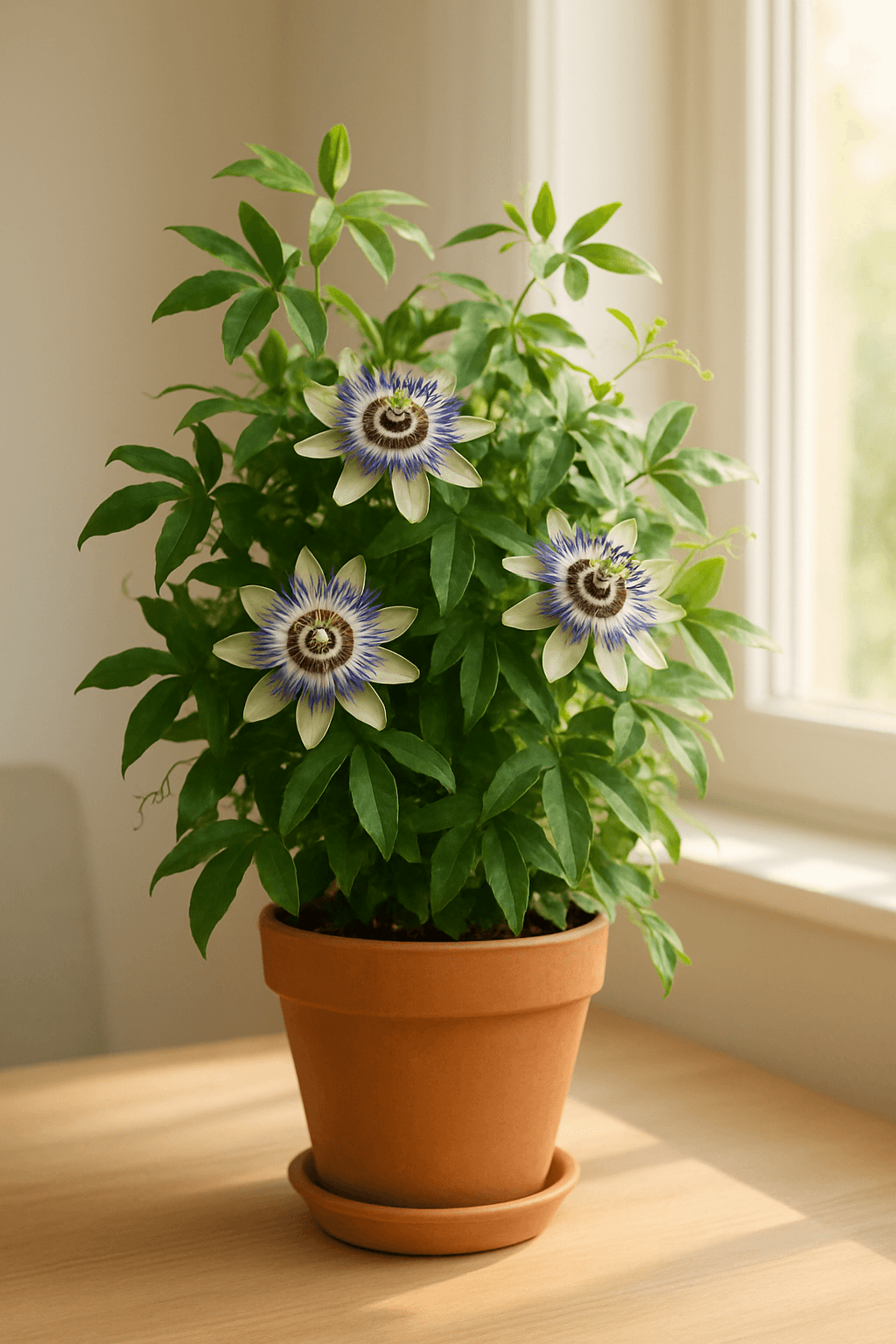
Moderate difficulty. Bright indirect to full sun light. Every 5–7 days watering. Grows very fast. The extraordinary alien-looking flowers are unlike any other plant. Very vigorous grower — needs regular pruning to manage indoors. P. incarnata is cold-hardy to zone 5 and dies back to roots in winter; P. caerulea is less cold-hardy but more commonly sold. Non-toxic to pets.
Venus Flytrap: Profile
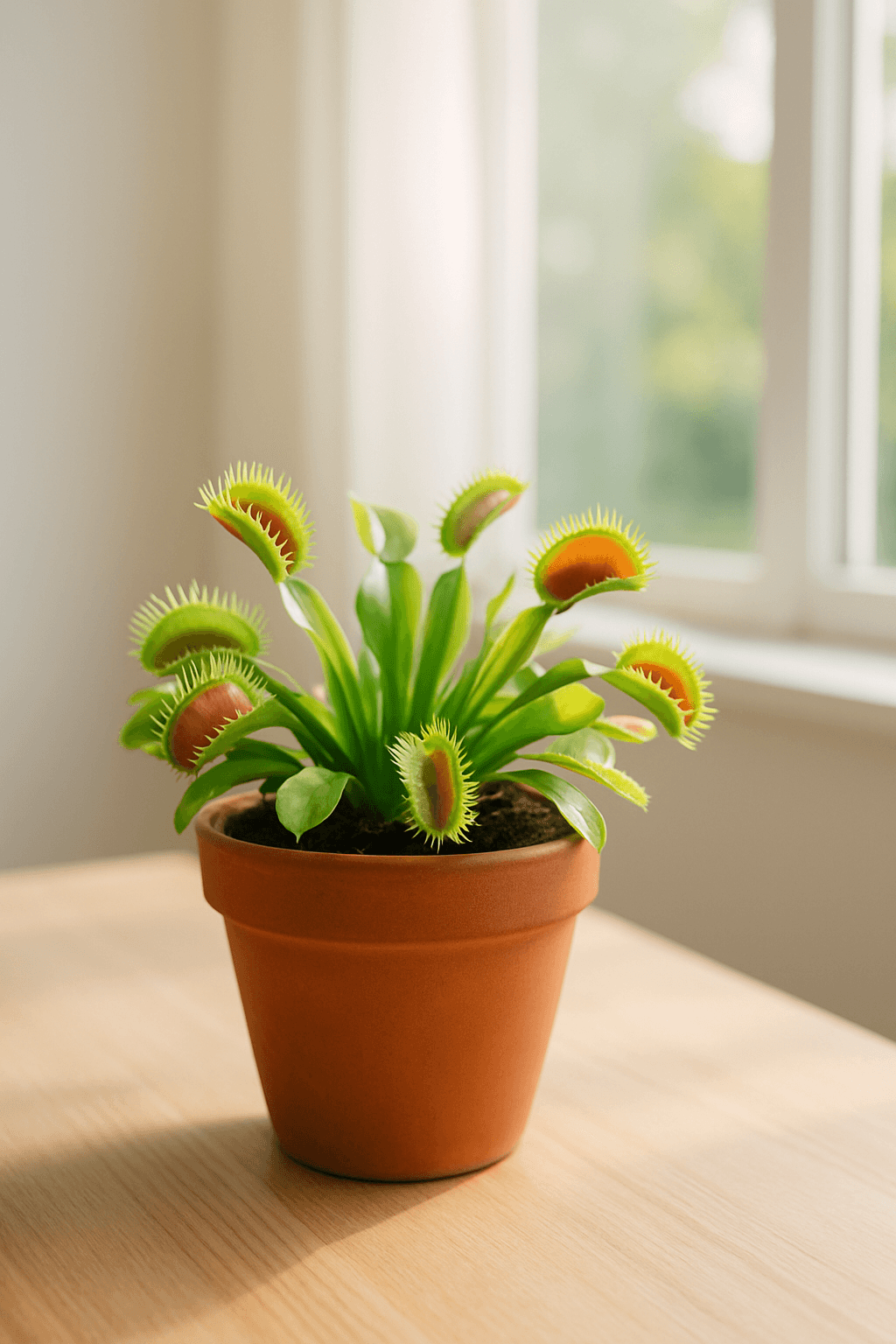
Moderate difficulty. Full sun light. Keep in tray of distilled/rainwater (never let dry out) watering. Grows slow. The most iconic carnivorous plant. Three critical rules: (1) only distilled/rainwater; (2) no fertilizer; (3) needs a cold winter dormancy (50°F or cooler for 3–5 months — or it declines). Triggering traps repeatedly with your finger weakens the plant. Non-toxic to pets.
Making Your Choice
Passionflower works if you have Bright indirect to full sun light and can water Every 5–7 days. Venus Flytrap suits Full sun light and Keep in tray of distilled/rainwater (never let dry out) watering schedule. Match plant to your conditions.
Bottom Line
Both are worthwhile. Success comes from matching the plant to your home.
The Bottom Line
Pick Passionflower or Venus Flytrap based on your light and watering commitment. Either choice works.
Frequently Asked Questions
Similar plants?▾
Different enough. Passionflower needs Bright indirect to full sun. Venus Flytrap needs Full sun. Pick based on your light.
Which is easier?▾
Passionflower: Moderate. Venus Flytrap: Moderate.
Can I keep both?▾
Yes, if conditions match. Most homes have room for both.
Growth rate?▾
Passionflower grows very fast. Venus Flytrap grows slow.