Dracaena vs Snake Plant: Which Handles Neglect Better?
Snake plant handles neglect better than dracaena, and it's not close. Dracaena marginata needs water every 1–2 weeks and shows stress from overwatering. Snake plant (Dracaena trifasciata) goes 2–6 weeks between waterings in summer and up to 8 weeks in winter. Both tolerate low light. Both are toxic to pets.

Dracaena vs Snake Plant: At a Glance
Both handle neglect better than most low-light houseplants, but snake plant is the more forgiving of the two.
Dracaena marginata: low to bright indirect light, water every 1–2 weeks in summer and every 2–3 weeks in winter, difficulty easy, low-medium humidity (30–50%), toxic to pets.
Snake plant (Dracaena trifasciata): low to bright indirect light, water every 2–6 weeks in summer and every 6–8 weeks in winter, difficulty easy, low humidity (30–50%), toxic to pets.
The watering gap tells the story: snake plant goes weeks longer between waterings. In a household with an inconsistent watering routine, that difference matters.
Dracaena: What You Need to Know
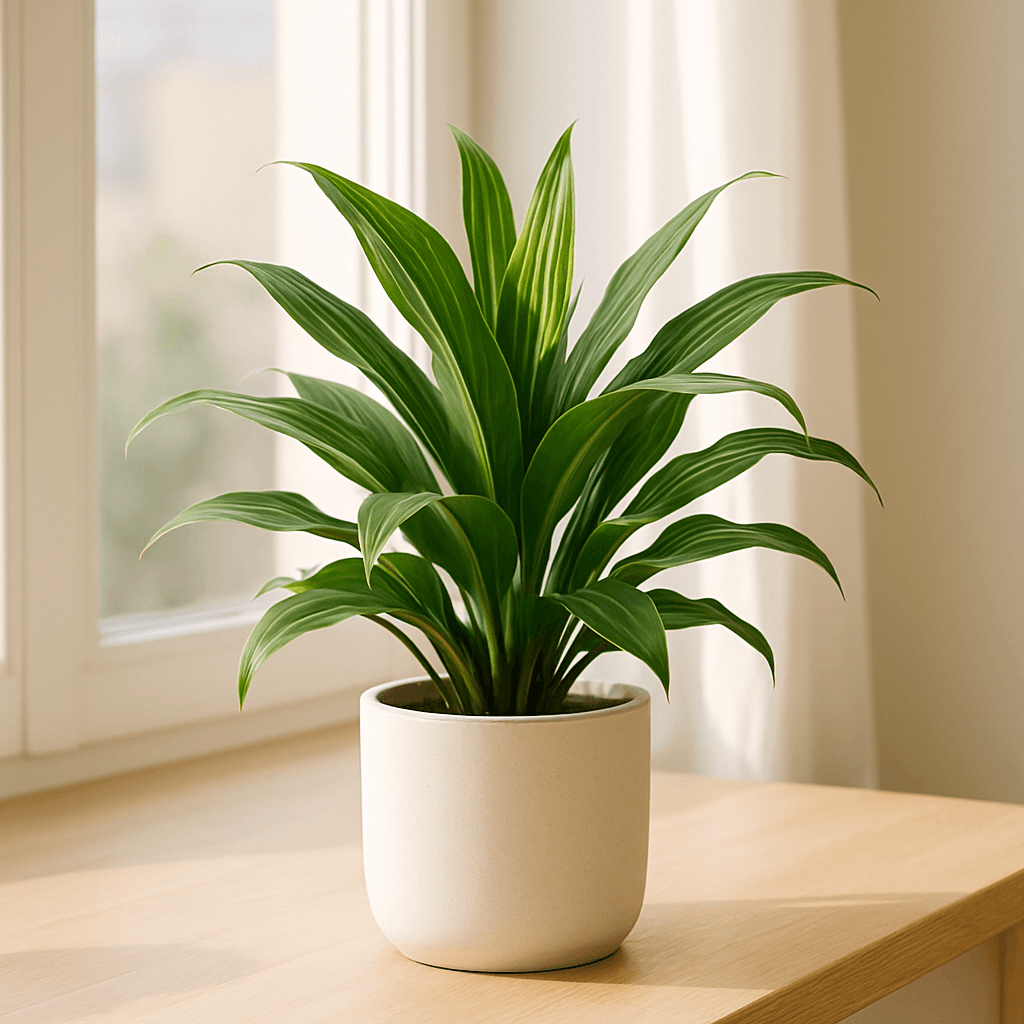
Dracaena marginata, the dragon tree, produces clusters of long, narrow red-edged leaves on bare cane-like stems. It grows slowly into a tree-like form that can reach 6 feet indoors over several years.
Water every 1–2 weeks in summer when the top inch of soil dries out, and every 2–3 weeks in winter. The most common mistake is overwatering, which causes yellowing lower leaves and eventual root rot. Dracaena also reacts to fluoride in tap water with brown leaf tips; filtered or rainwater prevents this.
It handles low to bright indirect light and grows more actively in brighter conditions. Direct sun scorches the leaf tips.
Toxic to cats and dogs. Dracaena causes vomiting, weakness, and dilated pupils in cats (ASPCA).
Snake Plant: What You Need to Know
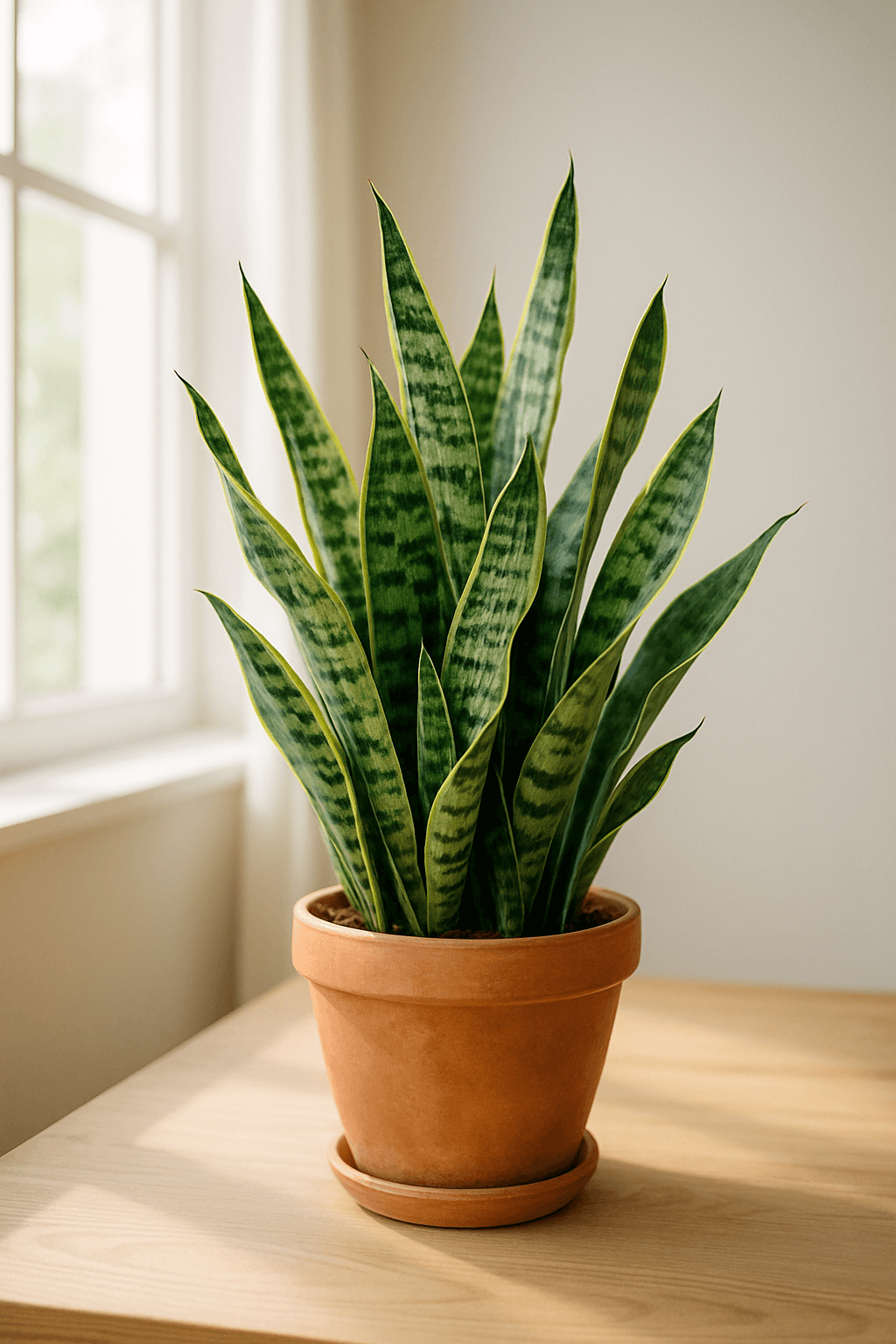
Snake plant (Dracaena trifasciata, formerly Sansevieria) stores water in its thick, upright leaves, which is why it's one of the most drought-tolerant common houseplants around. Water every 2–6 weeks in summer when the soil is completely dry throughout, and every 6–8 weeks in winter. Overwatering is the main risk; root rot develops quickly in consistently wet soil.
Light tolerance is wide: from genuinely dim corners to bright indirect light. Growth slows in low light and variegated cultivars lose their markings, but the plant stays healthy. Dozens of cultivars exist, from compact 6-inch rosettes ('Hahnii') to 4-foot columnar forms ('Laurentii', 'Moonshine', 'Black Coral').
Cold tolerance is a real advantage: snake plant survives temperatures down to 55°F. Toxic to cats and dogs; calcium oxalate crystals cause oral irritation and GI upset (ASPCA).
What Actually Sets Them Apart?
Drought tolerance is the defining difference. Snake plant's leaves store water so effectively that it handles 6+ weeks without watering in summer. Dracaena needs water at least every 2 weeks, which puts it closer to any other common houseplant.
Cold tolerance also favours snake plant. It survives down to 55°F; dracaena prefers at least 60°F and shows cold damage near draughty windows in winter.
Fluoride sensitivity is unique to dracaena. Both are in the Dracaena genus now, but D. marginata reacts to fluoride and chlorine in tap water with brown leaf tips. Snake plant is far less sensitive to water quality.
Appearance differs significantly. Dracaena marginata grows into a tree-like form with clusters of narrow leaves on bare canes. Snake plant grows in tight upright clusters of sword-like leaves from the base. Both have a clean, minimal look.
Which Should You Choose?
Choose snake plant if neglect tolerance is your priority. It's one of the most forgiving houseplants at any experience level, handles cold rooms, and comes in more variety of shapes and sizes than dracaena.
Choose dracaena if you prefer a tree-like form that develops height and architectural character over time. It needs slightly more consistent watering and filtered water to avoid tip browning, but it's still a genuinely easy plant.
If you have cats or dogs: both are toxic. Snake plant causes oral irritation; dracaena causes more serious symptoms in cats including dilated pupils and muscle weakness (ASPCA). Neither is a good choice for homes with pets that chew on plants.
The Bottom Line
Snake plant wins on neglect tolerance, drought resistance, and cold tolerance. Dracaena wins if you want a tree-like architectural form that develops height over time. Both are easy; snake plant just has a wider margin for error.
Frequently Asked Questions
How often should I water a dracaena vs a snake plant?▾
Water dracaena every 1–2 weeks in summer and every 2–3 weeks in winter, when the top inch of soil is dry. Water snake plant every 2–6 weeks in summer and every 6–8 weeks in winter, when the soil is completely dry throughout. When in doubt, wait another week; both plants die faster from overwatering than drought.
Why does my dracaena have brown tips?▾
Brown tips on dracaena are almost always caused by fluoride or chlorine in tap water. Dracaena is unusually sensitive to water quality; even treated municipal water can cause tip browning over time. Switch to filtered water or rainwater. Leaving tap water out for 24 hours helps with chlorine but not fluoride. Low humidity can also cause brown tips, though water quality is more often the culprit.
Are dracaena and snake plant the same plant?▾
They're in the same genus, Dracaena, following a reclassification. Snake plant was formerly Sansevieria and is now Dracaena trifasciata; the common dracaena houseplant is usually Dracaena marginata. Same genus, different species, and noticeably different in appearance and drought tolerance. Snake plant handles dry spells much better.
Can dracaena or snake plant grow in a room with no natural light?▾
Both tolerate low light better than most houseplants, but no natural light at all is too dim for either long-term. They'll survive for months in very dim conditions but eventually stop growing and weaken. A north-facing window works fine for both. If there's no natural light, a grow light on a 12-hour timer is the practical solution.